




זיהום מים הוא אחד מהאיומים הגדולים ביותר על בריאות האדם והסביבה.
בעיה זו נוצרת ממגוון מקורות, כולל פסולת תעשייתית, שפכים ביתיים, ודשנים חקלאיים.
כדי להילחם בתופעה זו, יש ליישם שיטות למניעה. לדוגמא:
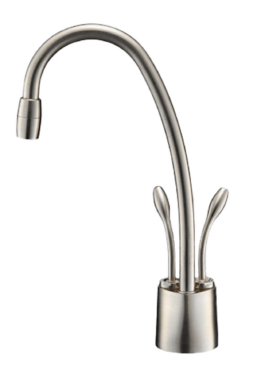
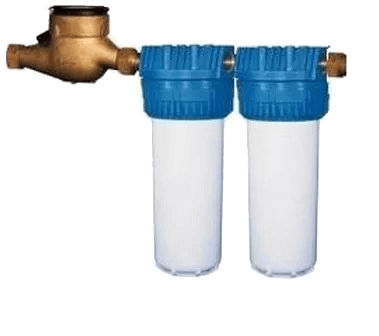
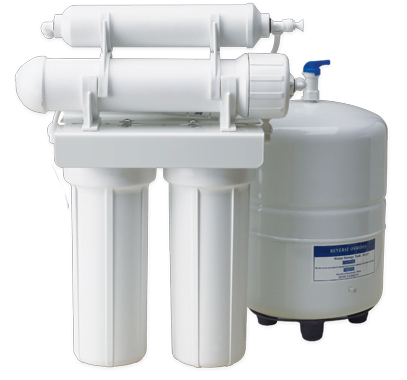
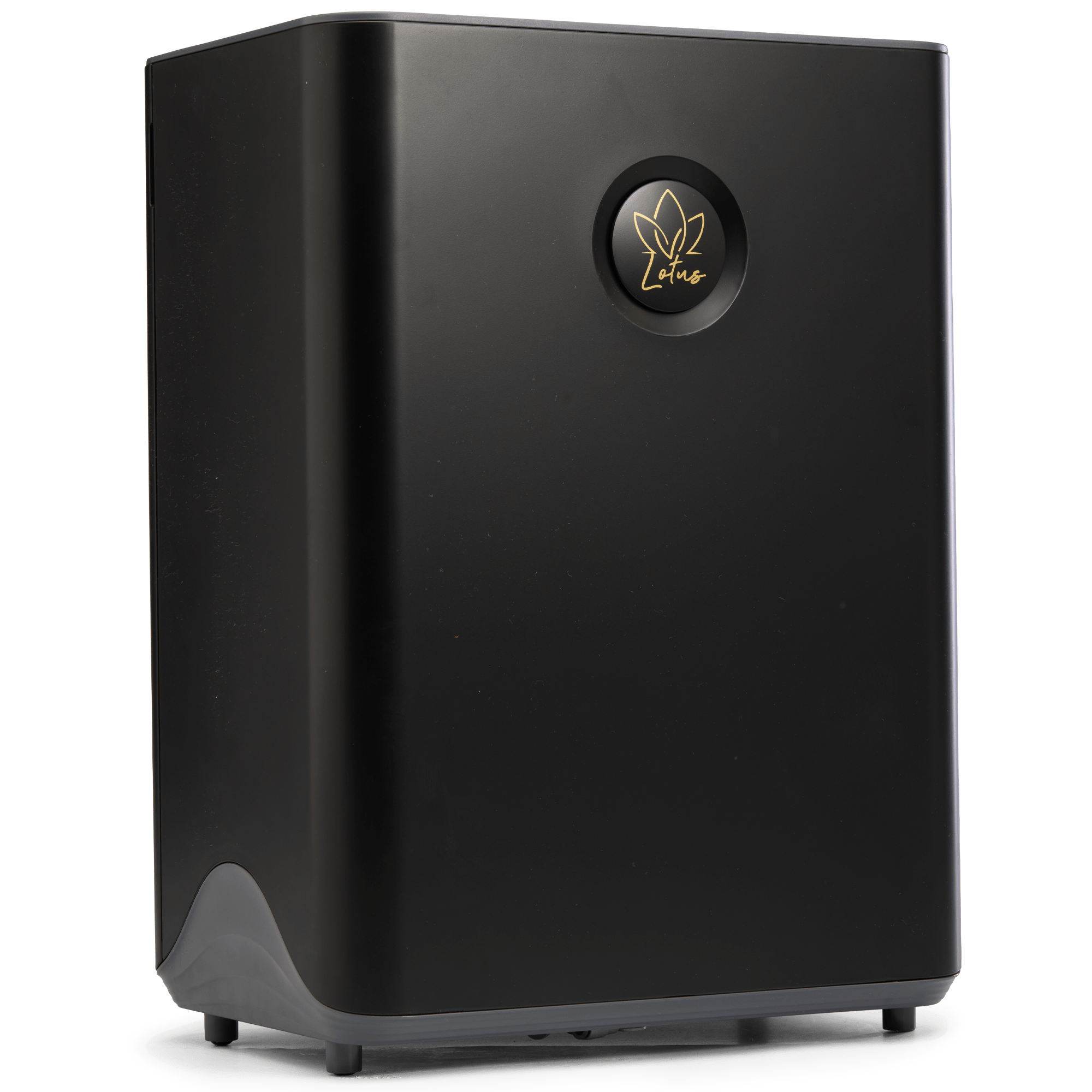
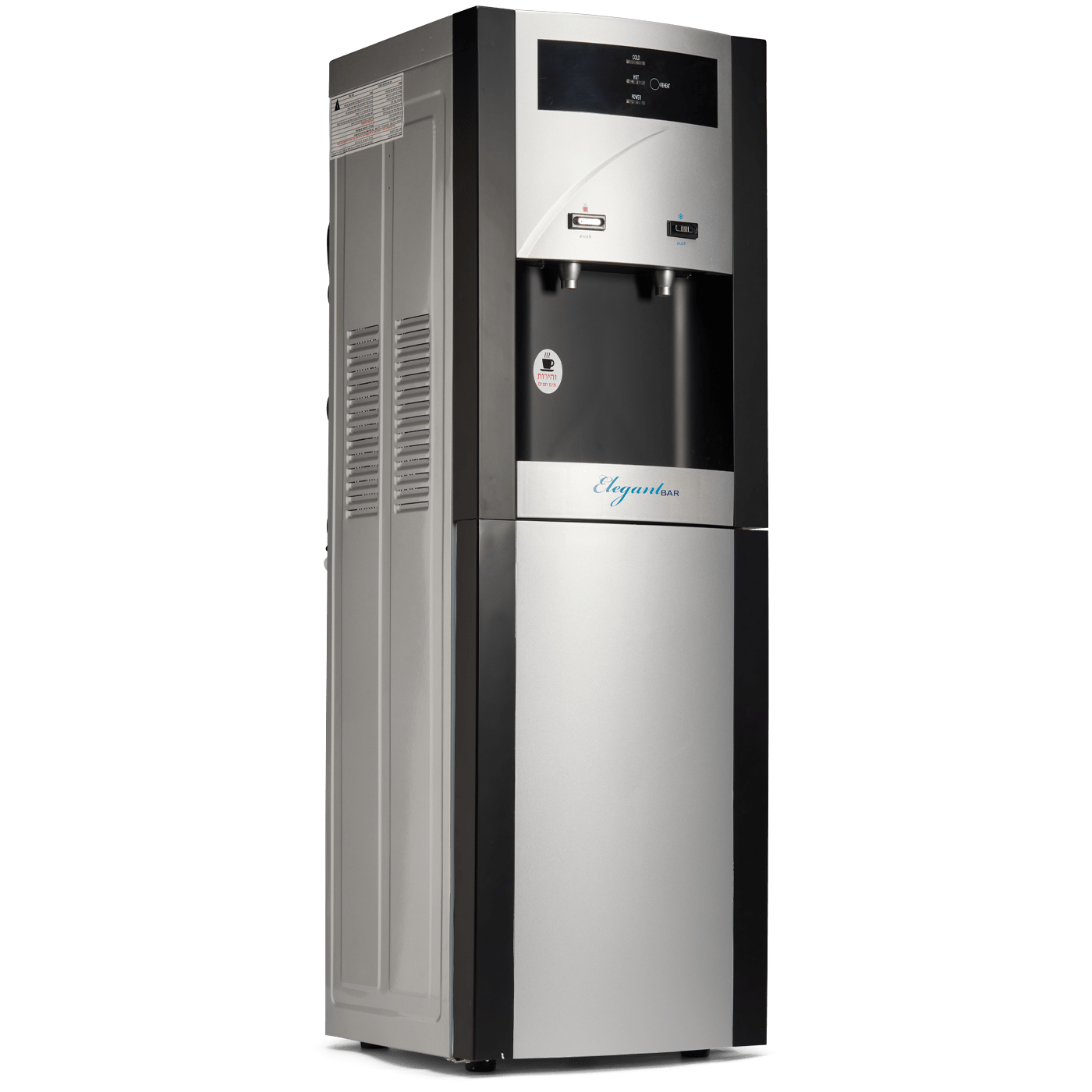
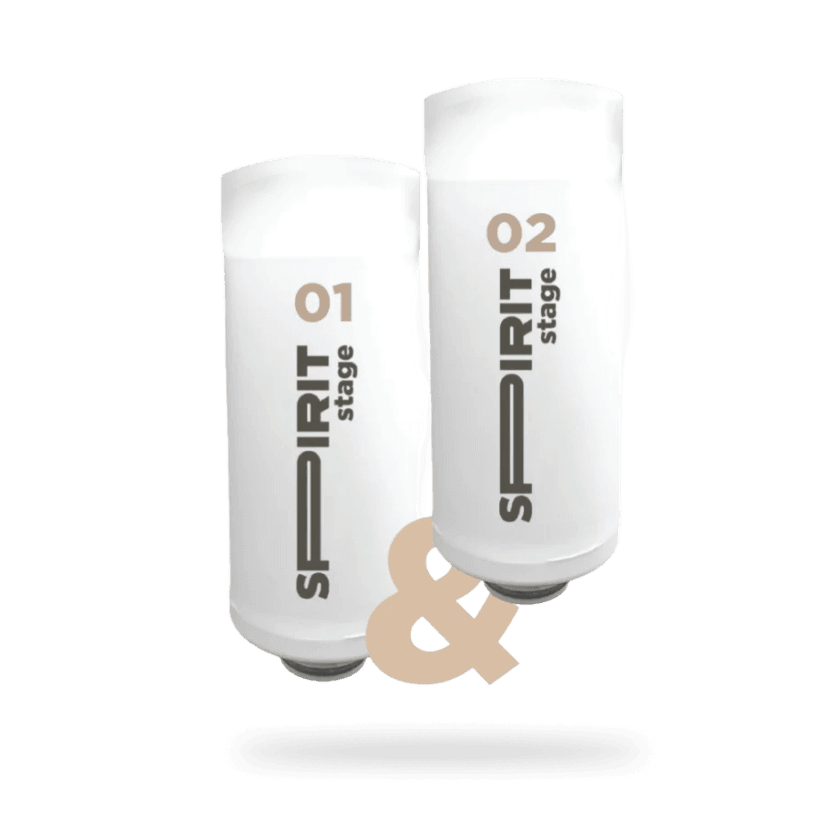
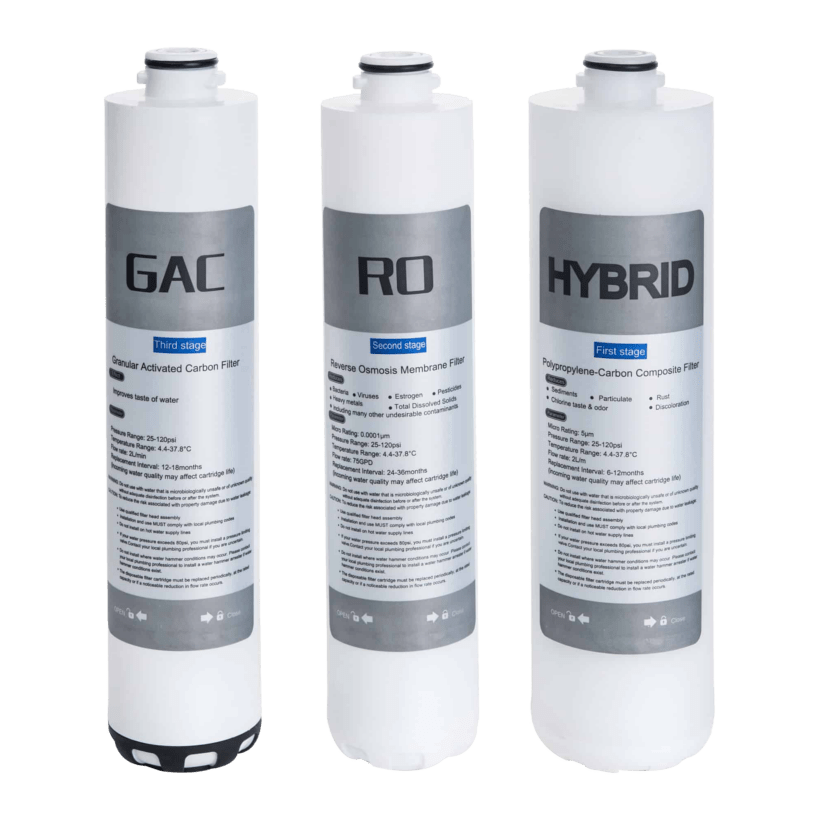
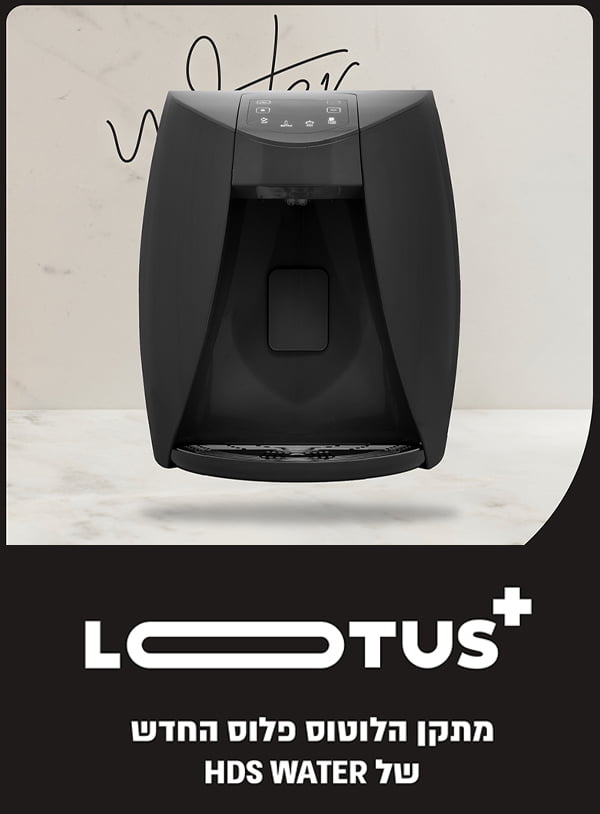
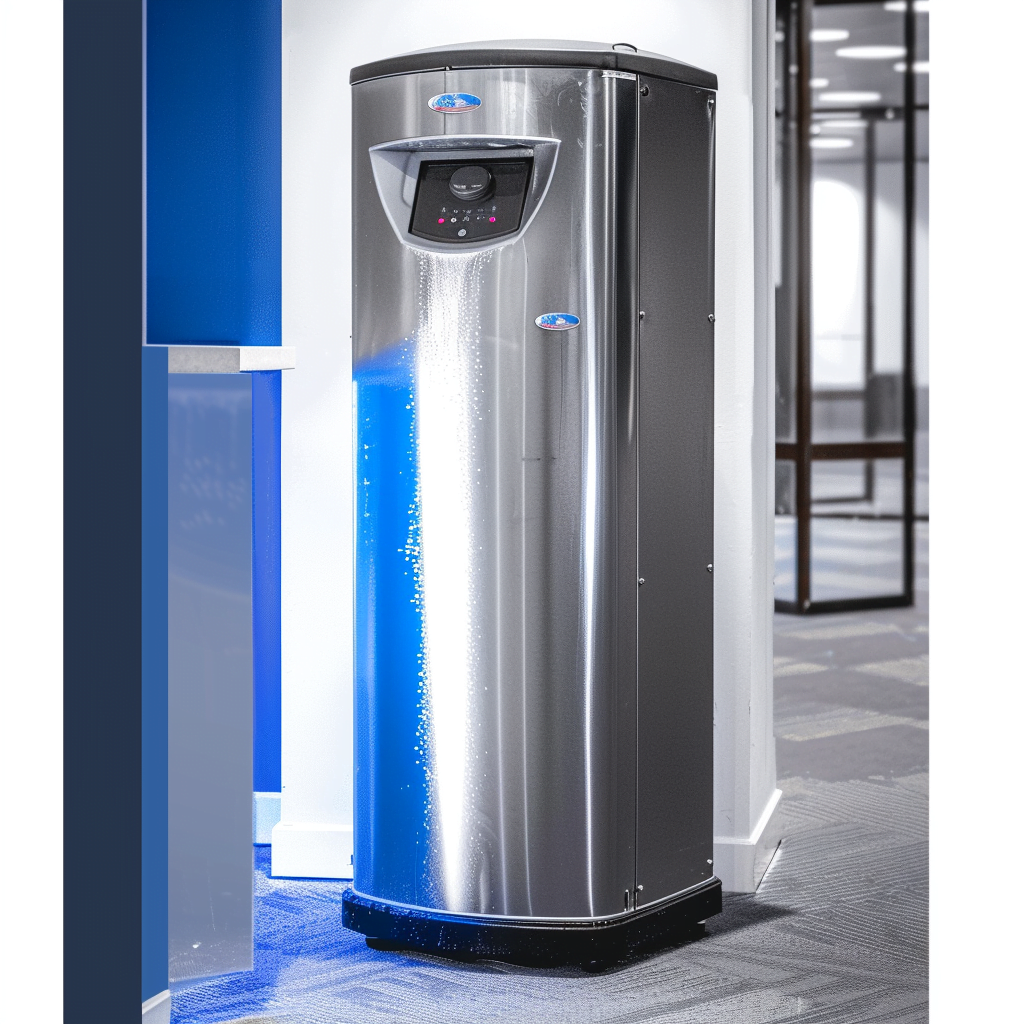
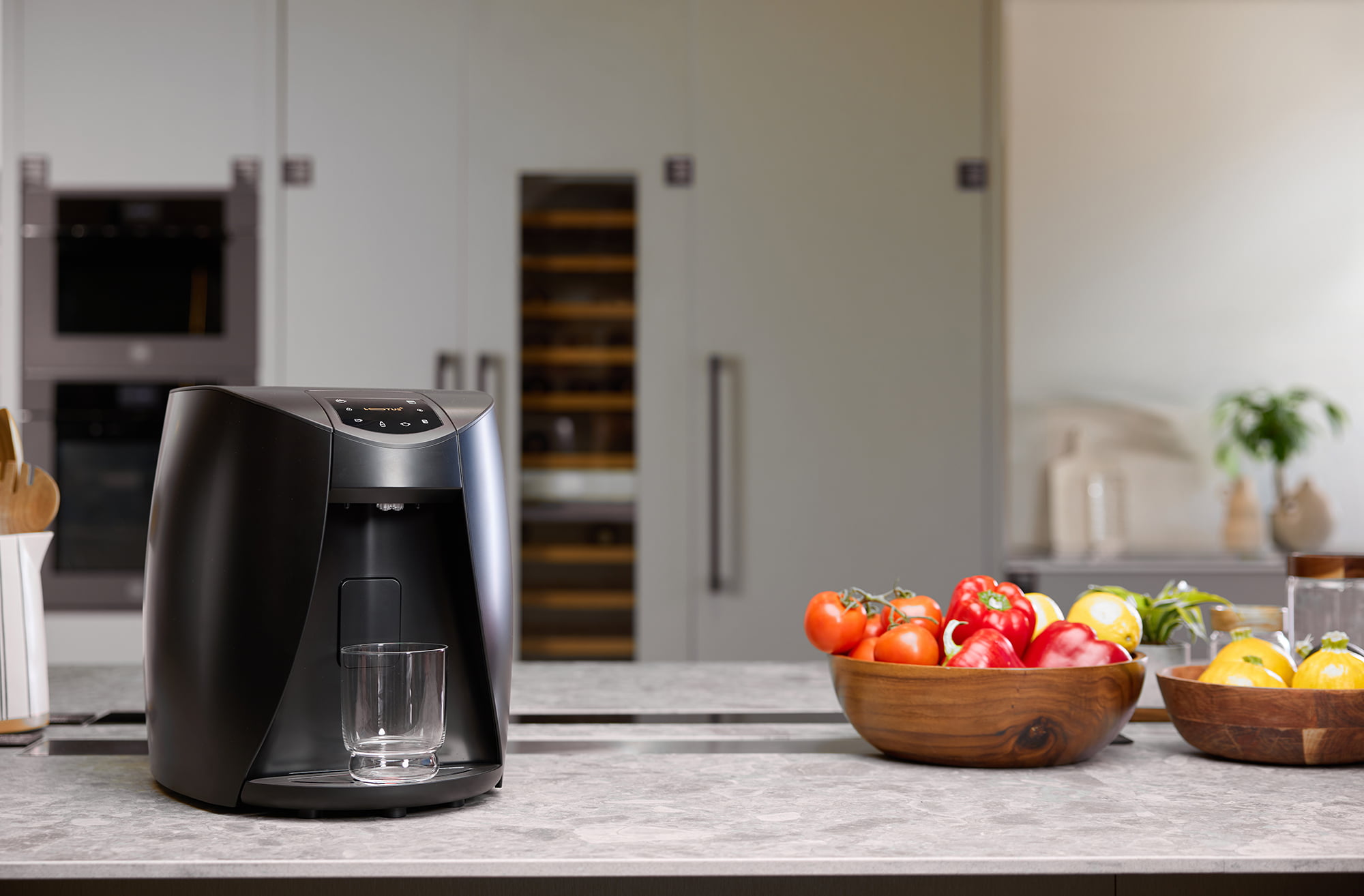
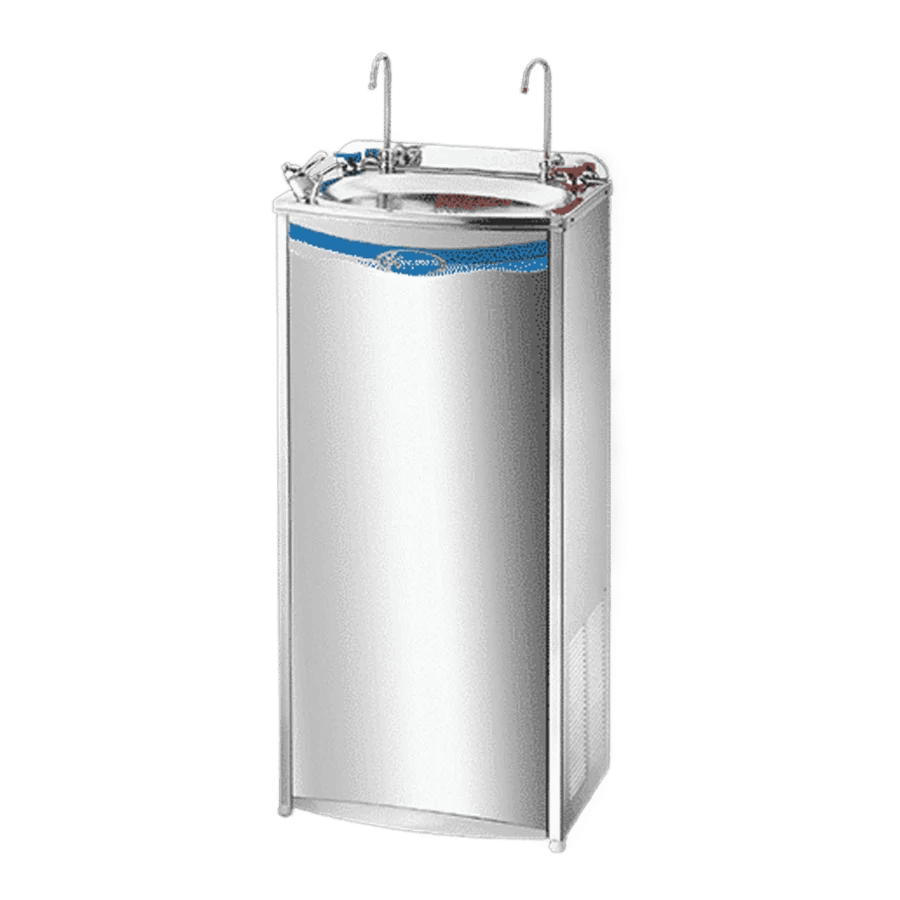
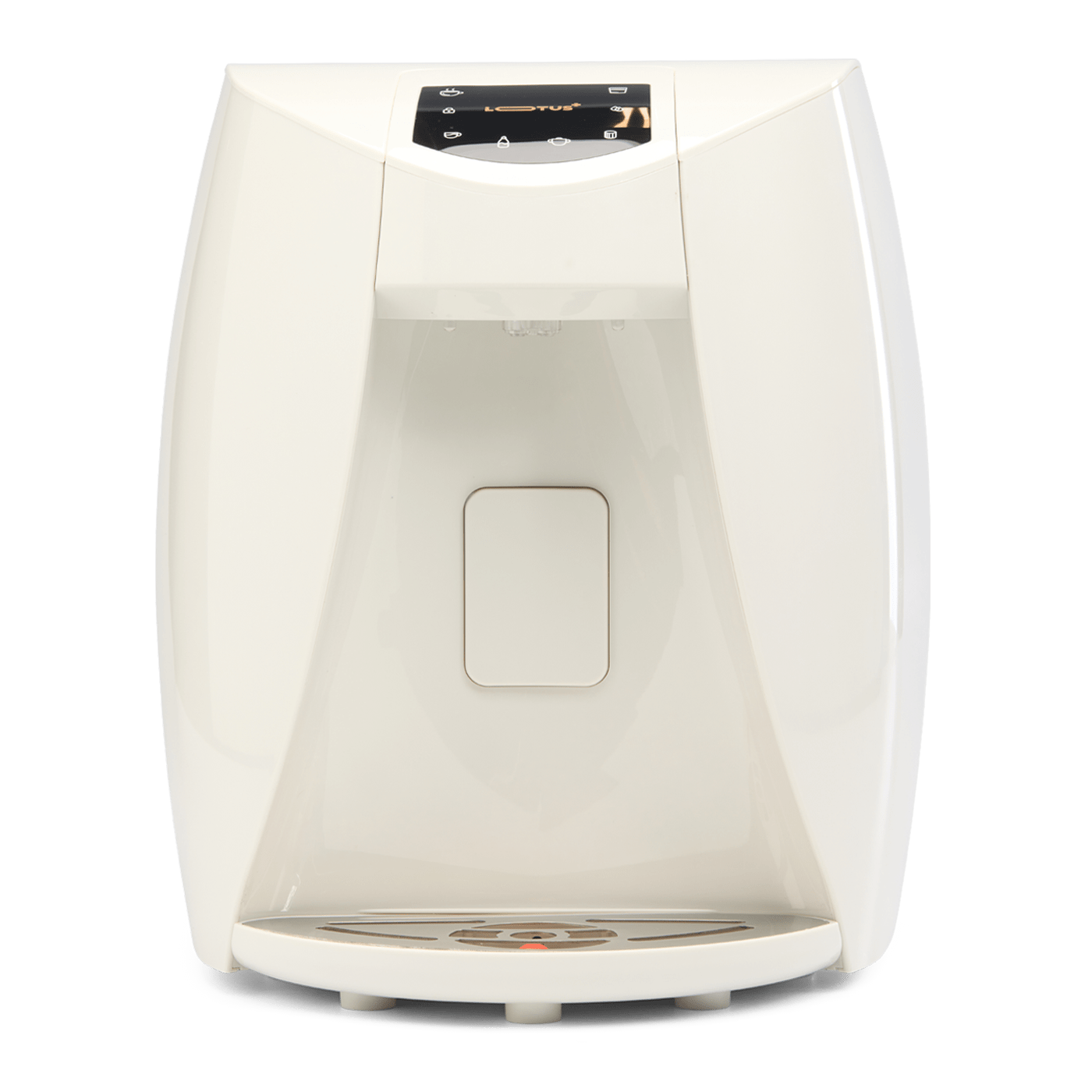
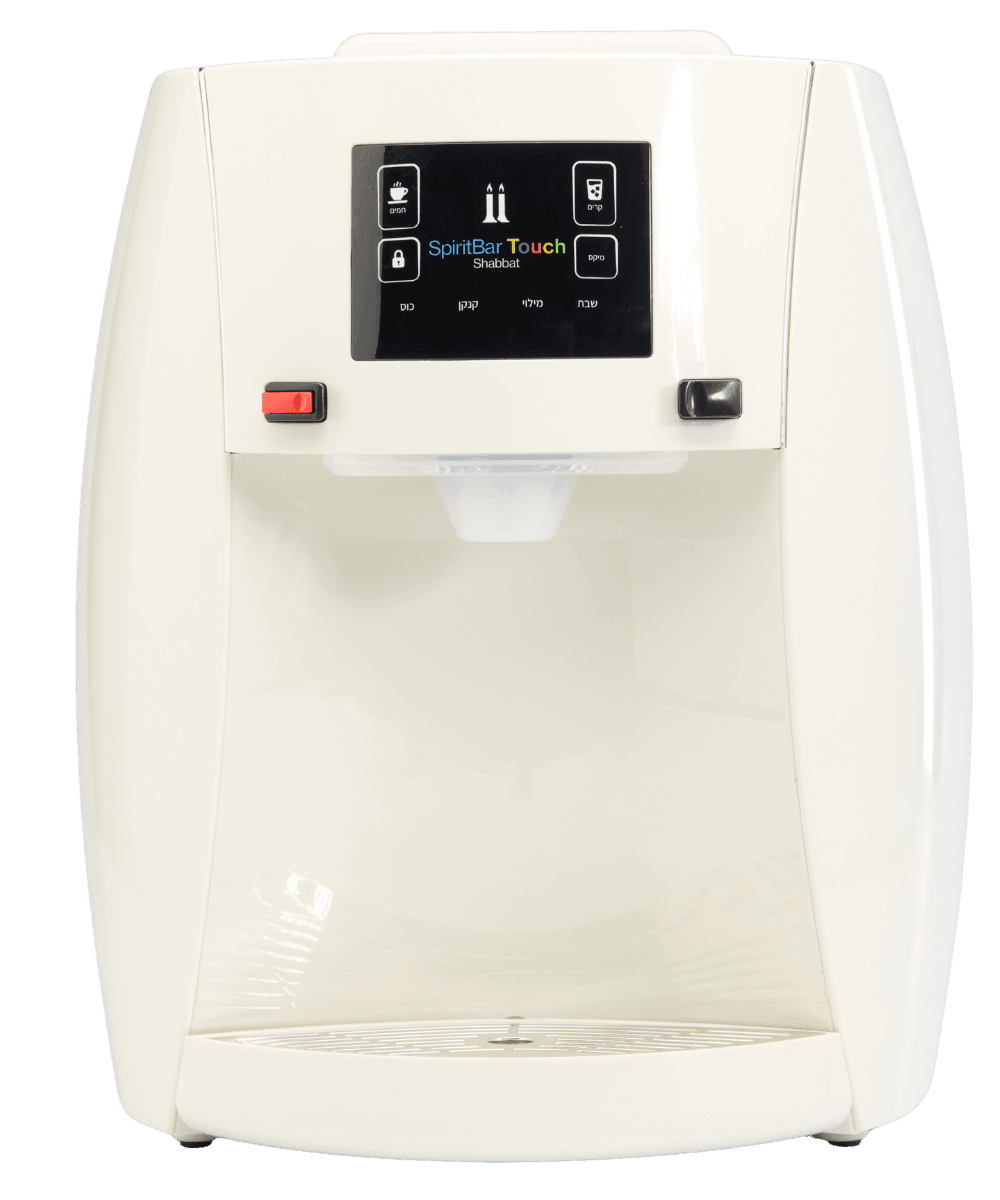
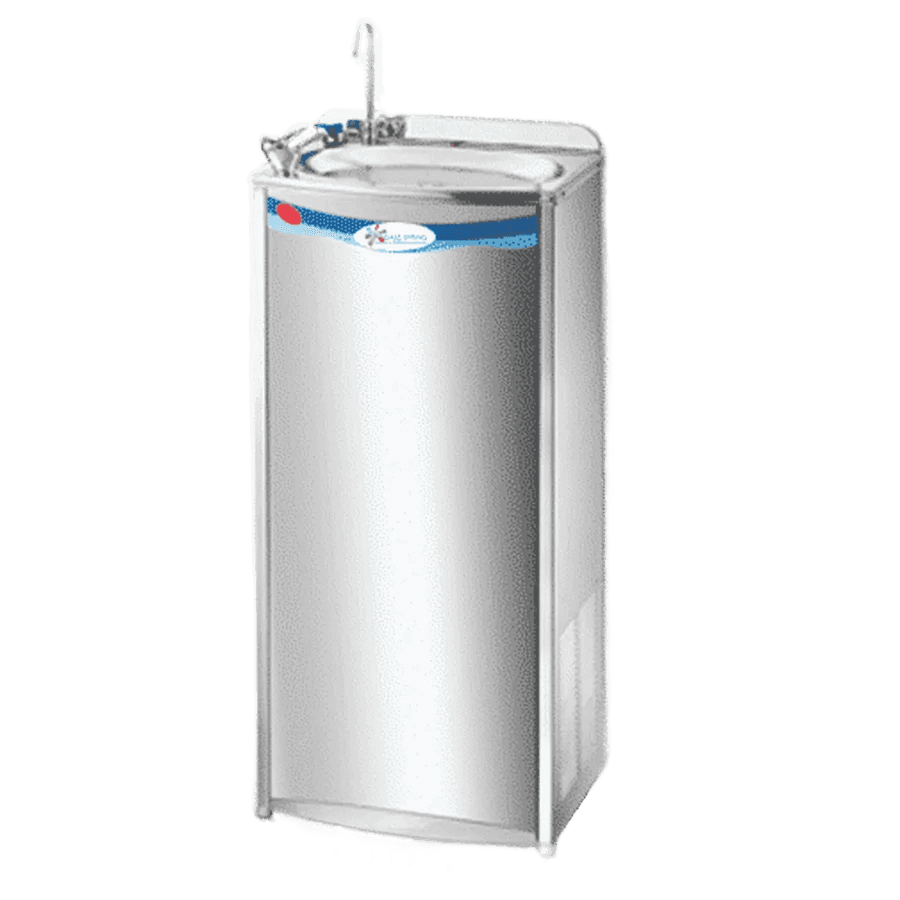
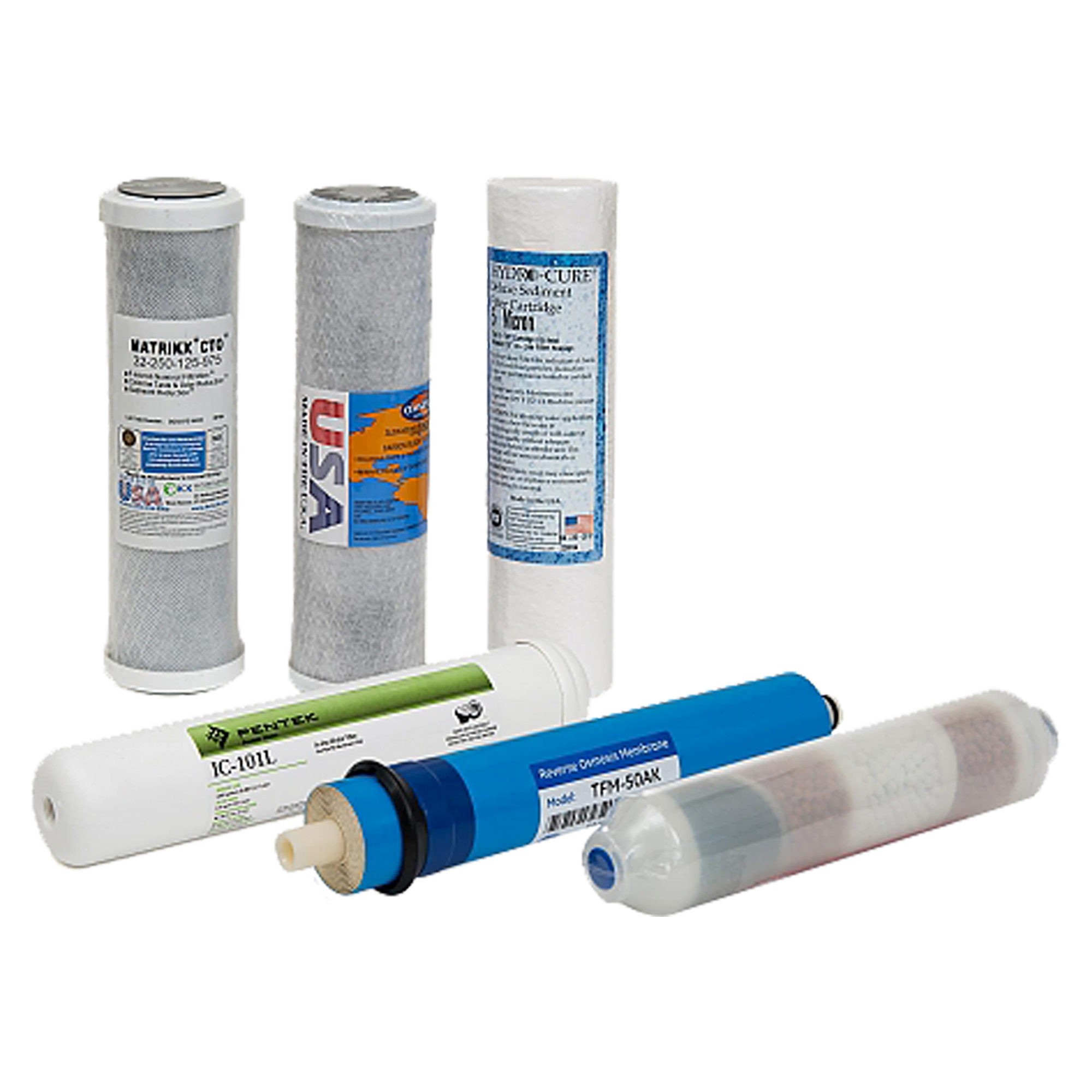
- סינון מים: אחד הכלים היעילים ביותר לקבלת מים טהורים ונקיים הוא סינון מים. מערכות סינון מים מתקדמות, כמו מסנני UV, מסירות חיידקים ומזהמים אחרים מהמים ומשפרות את איכותם. מסנן מים UV משתמש בקרינת אולטרה סגולה כדי להרוג חיידקים ומיקרואורגניזמים מזיקים במים, ובכך מעניק מים איכותיים ובריאים.
- שיפור תשתיות: אחת הדרכים החשובות למניעת הזיהום היא תיקון ושדרוג מערכות הביוב והמזרנים המקומיות.דליפות במערכות אלו עלולות להוביל לזיהום מים חמורים, ולכן חשוב לשפר את התשתיות כדי למנוע דליפות ולשמור על איכות המים.
- מודעות ציבורית: העלאת מודעות הציבור לשימור מים ולמניעת השלכת פסולת לא נכונה היא קריטית למניעת הבעיה.חינוך הציבור והקידום של התנהגויות אחראיות יכול להפחית משמעותית את זיהום המים.
צריכה ושתייה של מים עכורים ומזוהמים עלולות להשפיע על הבריאות שלנו בדרכים רבות. למשל, שתיית מים מזוהמים עלולה לגרום למחלות כמו כולרה, דיזנטריה, והפטיטיס. בנוסף, יכול לפגוע באקוסיסטמות שלמות ולהוביל להכחדת מינים רבים.
חשוב להבין כי מניעת לכלוכים וזיהומים אינה רק משימה של הממשלות והארגונים הגדולים, אלא גם אחריות אישית של כל אחד ואחת מאיתנו.
עלינו לדאוג לשימוש אחראי במים, לסנן את המים שאנחנו שותים, ולהיות מודעים להשפעות שלנו על הסביבה.