




מי הברז בישראל מפוקחים ועומדים בתקנים מחמירים, וזו נקודת פתיחה מצוינת. אך חשוב לזכור שהמים עוברים מסע ארוך – מהמקור, דרך מתקני טיפול ועד לצנרת עירונית וביתית שלעיתים קיימת עשרות שנים. במסע זה, המים עלולים לאסוף “נוסעים סמויים” שונים, המשפיעים על טעמם, ריחם, צלילותם, ואף על איכותם.
ב-HDS, אנו מאמינים שזכותכם לדעת בדיוק מה אתם שותים. לא כדי להפחיד, אלא כדי להעצים. כי ידע הוא הכוח לקבל החלטות טובות יותר עבור בריאותכם ובריאות משפחתכם. במאמר זה, נצא למסע משותף בעקבות ארבעה מה”נוסעים” הנפוצים ביותר במערכת המים שלנו: כלור, אבנית, מתכות כבדות ומיקרו-פלסטיק. נבין מאין הם מגיעים, מה השפעתם, וכיצד טכנולוגיה מתקדמת יכולה להבטיח שבכוס שלכם יהיו רק מים – נקיים, טהורים ומרעננים.

1. כלור: המציל שהפך למטריד
מהו ולמה הוא שם? כלור הוא מחטא יעיל ביותר, והוספתו למערכות המים העירוניות היא צעד חיוני למניעת התפשטות חיידקים ומחלות. בזכותו, אנו יכולים לפתוח את הברז בביטחון.
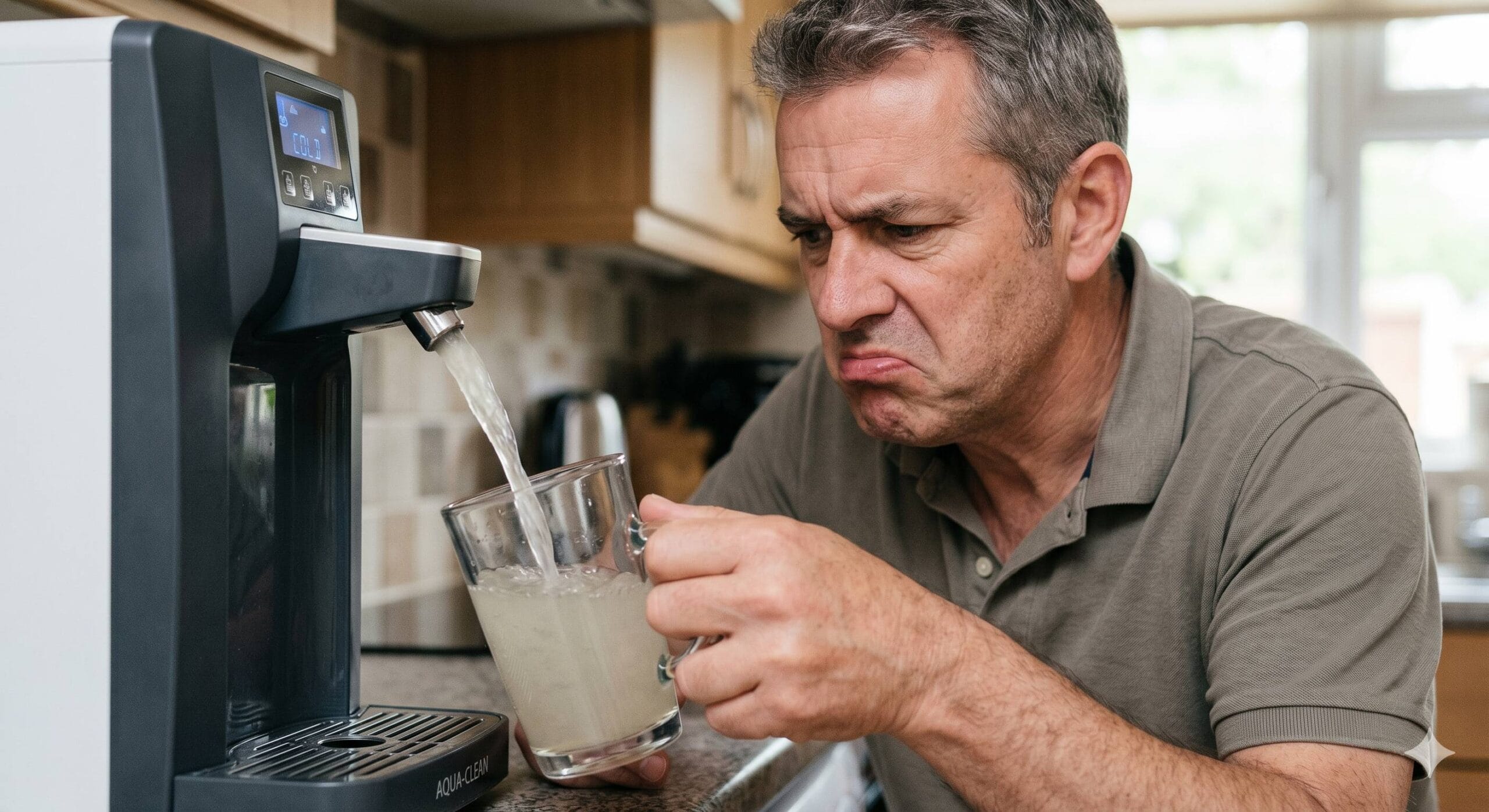
ההשפעה על חווית השתייה: הבעיה מתחילה כאשר הכלור מגיע לכוס שלנו. הוא האחראי העיקרי לטעם וריח הלוואי המוכרים במי ברז. מעבר לכך, הוא עלול לייבש את העור והשיער במקלחת, ואנשים רבים רגישים לטעמו החזק בקפה, בתה או בבישול.
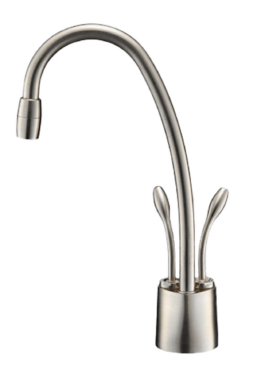
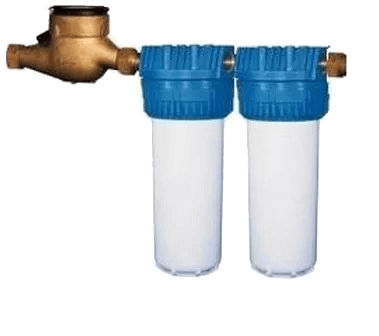
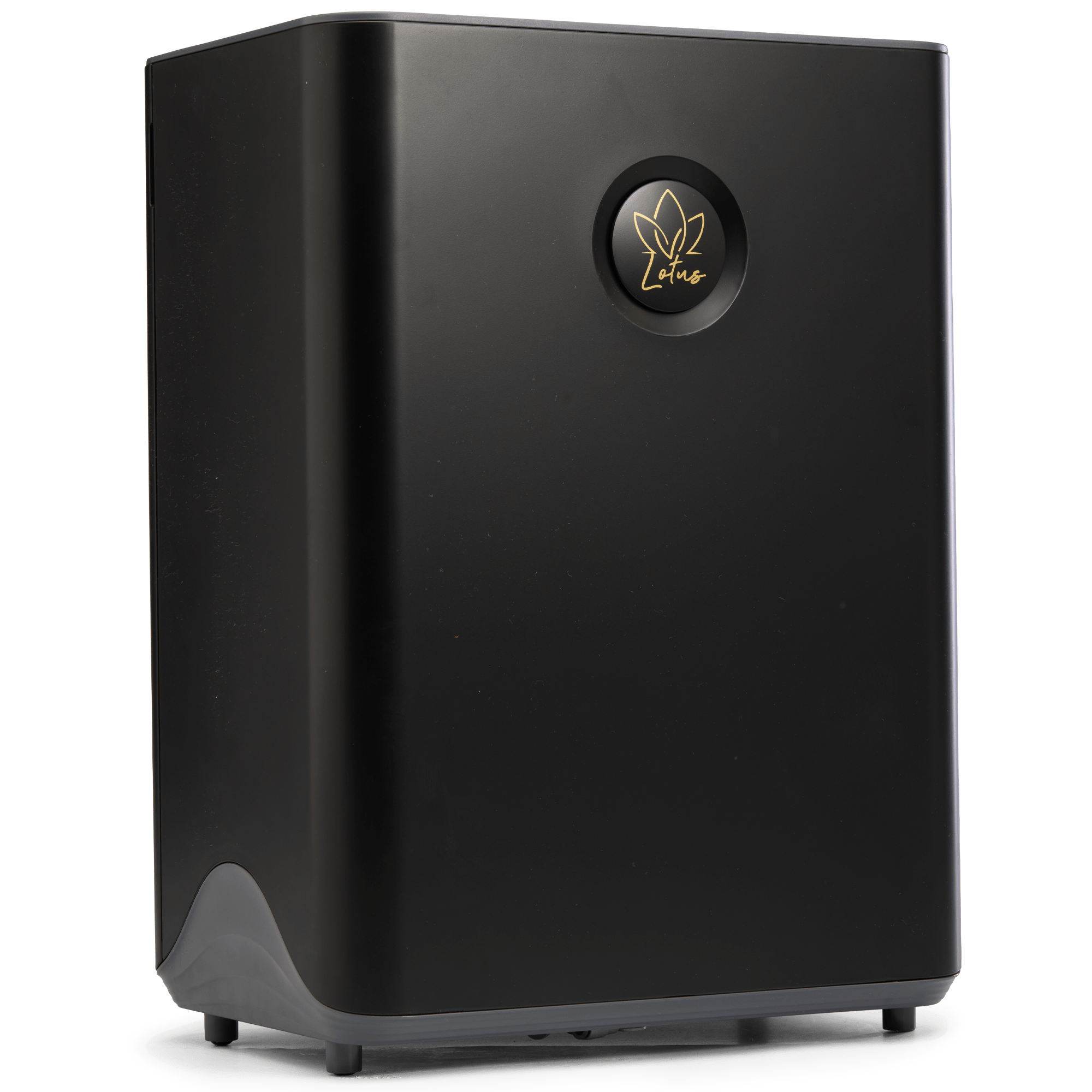
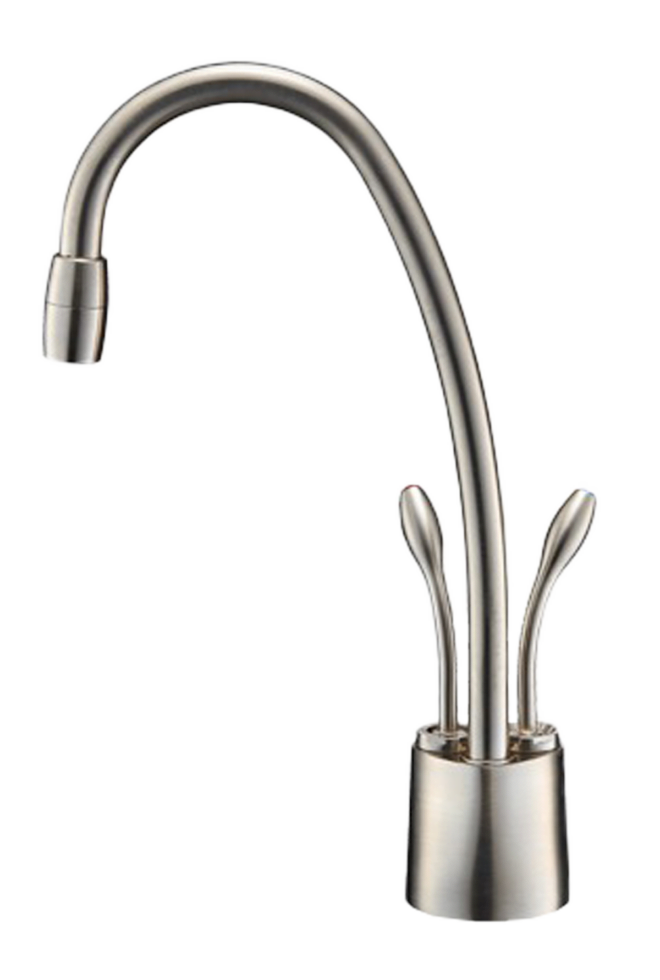
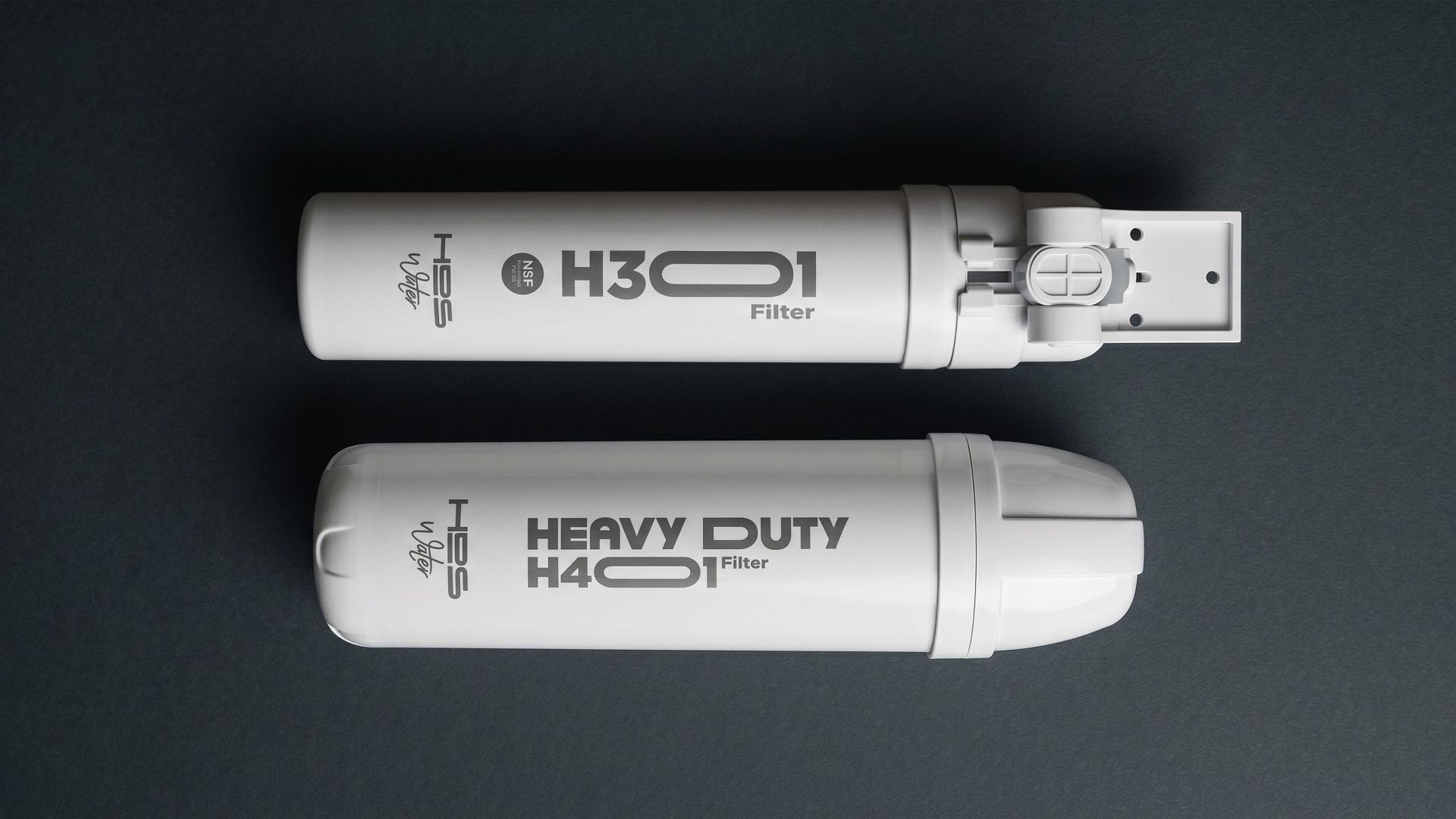
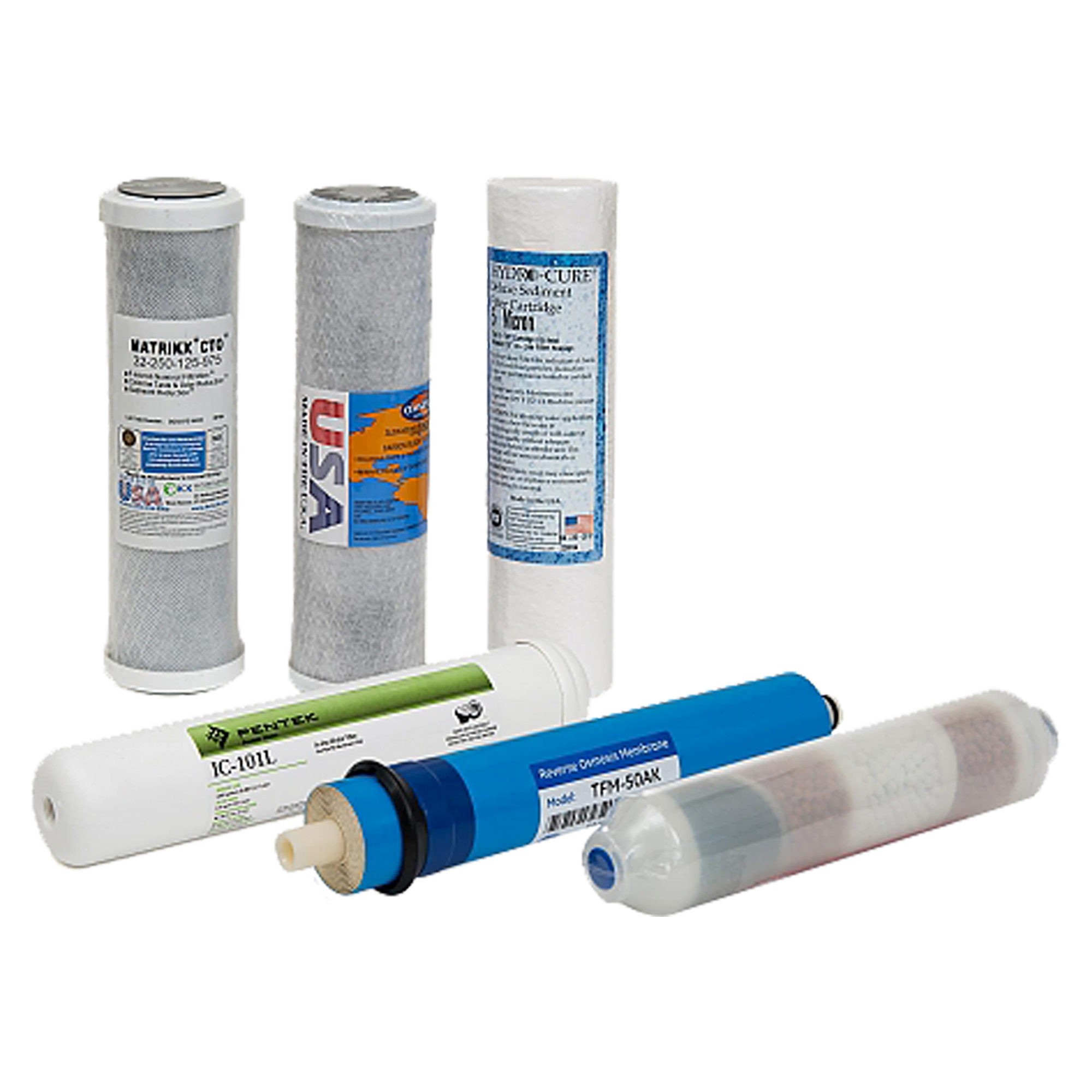
הפתרון של HDS: מערכות הסינון המתקדמות שלנו, בין אם בבר מים ביתי או במערכת תת כיורית, משתמשות בסנני פחם פעיל מיקרוני. סננים אלו פועלים כמו מגנט רב עוצמה לספיחת הכלור ותרכובותיו. התוצאה היא מים נטולי טעם וריח לוואי, המאפשרים לטעם האמיתי של המשקאות והמאכלים שלכם לזהור.
2. אבנית (מים קשים): האויב השקט של מכשירי החשמל
מהי וכיצד היא נוצרת? ישראל מתאפיינת ב”מים קשים”, כלומר מים עשירים במינרלים, בעיקר סידן ומגנזיום. כאשר מים אלו מתחממים, המינרלים שוקעים ויוצרים משקע לבן וקשה – האבנית המוכרת לנו מהקומקום.
ההשפעה על הבית והטעם: האבנית לא רק פוגעת בטעם המים, אלא גם מצטברת במכשירי חשמל כמו קומקומים, מכונות קפה ודודי חימום, מה שגורם להם לעבוד קשה יותר, לצרוך יותר חשמל ולקצר את חייהם.
הפתרון של HDS: אנו ב-HDS פיתחנו טכנולוגיית סינון ייחודית המטפלת בתופעת האבנית. הסננים שלנו מפחיתים את ריכוז המינרלים יוצרי האבנית, ובכך מגנים על מכשירי החשמל היקרים שלכם, מבטיחים טעם מים עקבי וצלול וחוסכים לכם כסף על תיקונים וצריכת חשמל מיותרת.
3. מתכות כבדות: תוצר של צנרת מתיישנת
מהן ומה מקורן? מתכות כמו עופרת, נחושת וקדמיום אינן נמצאות במקורות המים הטבעיים, אך עלולות לדלוף למים כתוצאה ממגע עם צנרת ישנה, הן במערכת הציבורית והן בצנרת הביתית הפרטית.
ההשפעה האפשרית: גם בריכוזים נמוכים, לחשיפה מתמשכת למתכות כבדות עלולות להיות השלכות בריאותיות. לכן, הרשויות פועלות בהתמדה לשדרוג תשתיות, אך תהליך זה ארוך ומורכב.
הפתרון של HDS: טכנולוגיית הסינון הרב-שלבית שלנו מהווה קו הגנה נוסף ואחרון, ממש לפני שהמים מגיעים לכוס שלכם. הסננים המתקדמים שלנו מתוכננים להפחתה משמעותית של מתכות כבדות, ומעניקים לכם שקט נפשי וביטחון מלא באיכות המים שאתם וילדיכם שותים.
4. מיקרו-פלסטיק: האתגר של הדור החדש
מהו ואיך הגיע למים שלנו? מיקרו-פלסטיק הם חלקיקי פלסטיק זעירים (קטנים מ-5 מ”מ) שמקורם בהתפרקות של פסולת פלסטיק גדולה יותר. לצערנו, חלקיקים אלו נמצאים כיום כמעט בכל מקום – באוקיינוסים, באדמה, ואף במערכות מי השתייה.
ההשפעה הנחקרת: ההשפעות הבריאותיות של חשיפה למיקרו-פלסטיק עדיין נחקרות ברחבי העולם, אך המגמה ברורה: הדרך הטובה ביותר היא לצמצם את החשיפה ככל הניתן.
הפתרון של HDS: כחברה שחרטה על דגלה חדשנות, אנו עוקבים מקרוב אחר אתגרי המים החדשים. מערכות הסינון המיקרוניות הצפופות שלנו מסוגלות לסנן חלקיקים זעירים, כולל חלקיקי מיקרו-פלסטיק, ובכך מספקות מענה גם לאיומים הסביבתיים של המחר.
האתגר והפתרון של HDS: סיכום ויזואלי
| ה”נוסע הסמוי” | ההשפעה העיקרית | פתרון הסינון של HDS |
|---|---|---|
| כלור | טעם וריח לוואי, ייבוש העור והשיער | סנן פחם פעיל מתקדם סופח את הכלור ומנטרל את השפעותיו. |
| אבנית (מים קשים) | פגיעה במכשירי חשמל, טעם “כבד” ומשקעים | מערכת ייעודית להפחתת ריכוז המינרלים יוצרי האבנית. |
| מתכות כבדות | דליפה מצנרת ישנה, סיכון בריאותי פוטנציאלי | סינון רב-שלבי המפחית נוכחות מתכות ומספק שכבת ביטחון נוספת. |
| מיקרו-פלסטיק | מזהם סביבתי חדש, השפעותיו עדיין נחקרות | סינון מיקרוני צפוף המסוגל ללכוד חלקיקים זעירים במיוחד. |
שאלות שחשוב לשאול
האם הרתחת המים בקומקום לא פותרת את הבעיות האלו?
הרתחה יעילה לקטילת חיידקים, אך היא אינה מסלקת כלור, מתכות כבדות או אבנית. למעשה, בתהליך האידוי, ריכוזם של מזהמים אלו במים הנותרים אף עלול לעלות.
יש לי קנקן עם פילטר, זה לא מספיק?
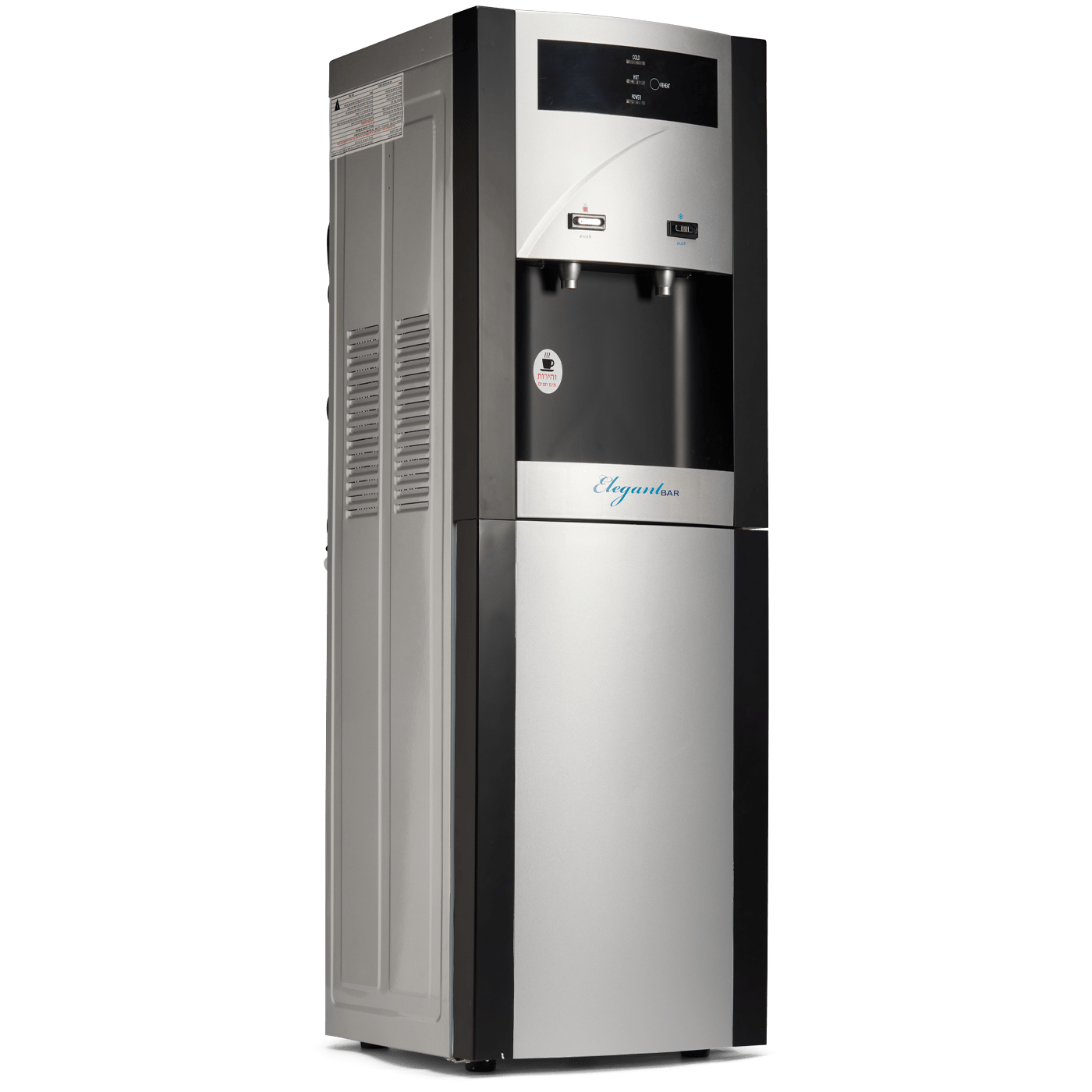
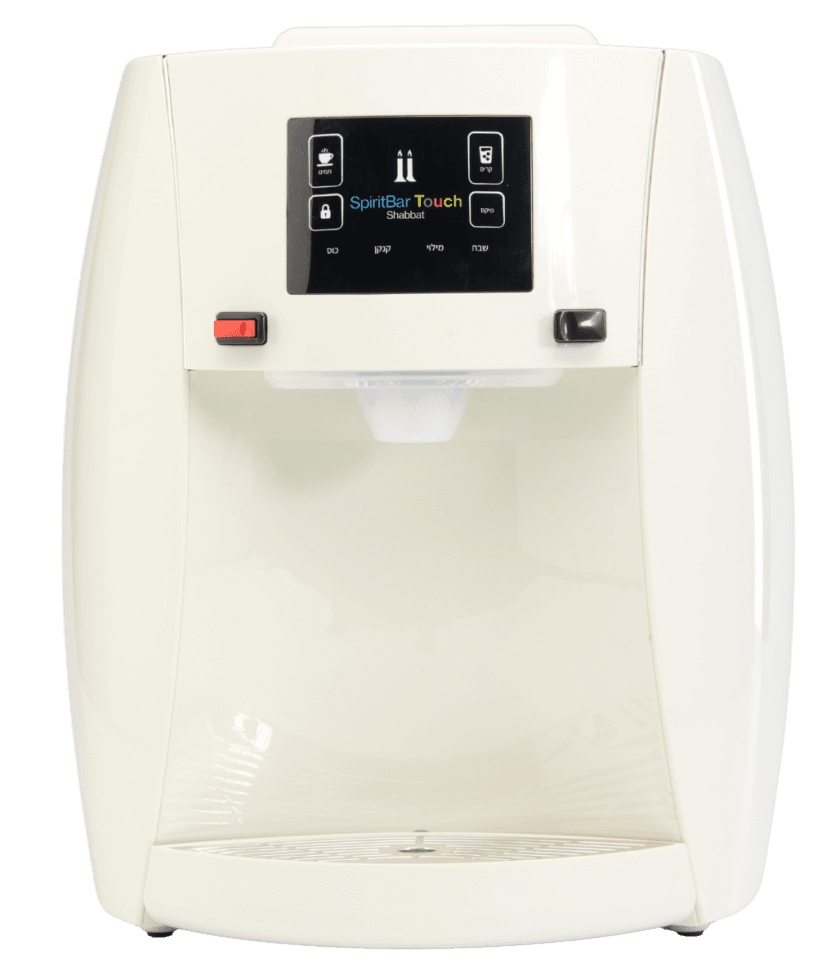
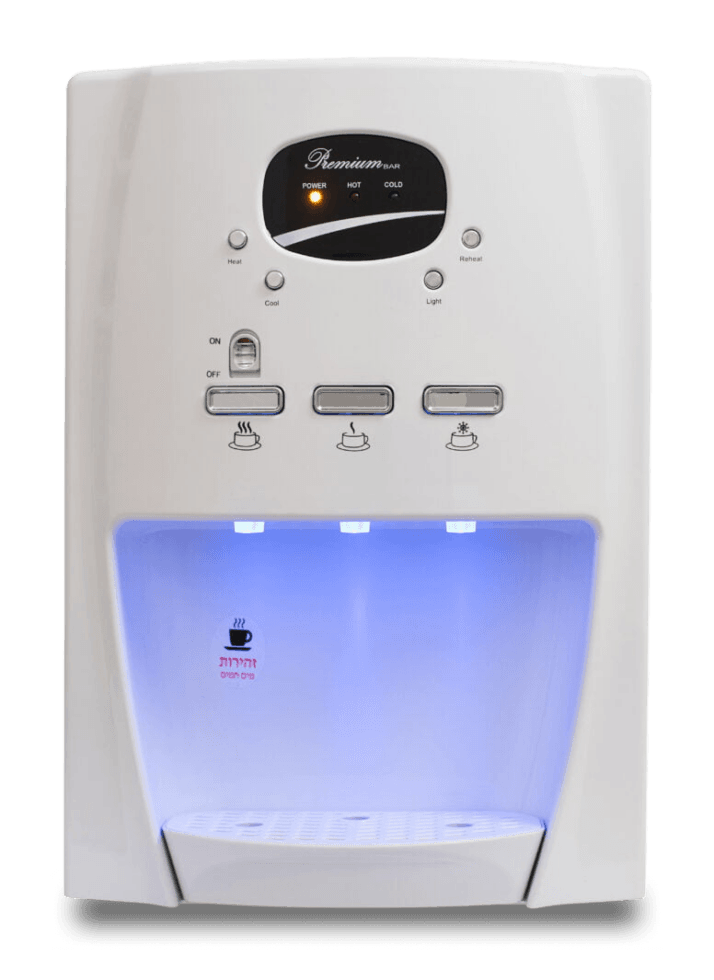
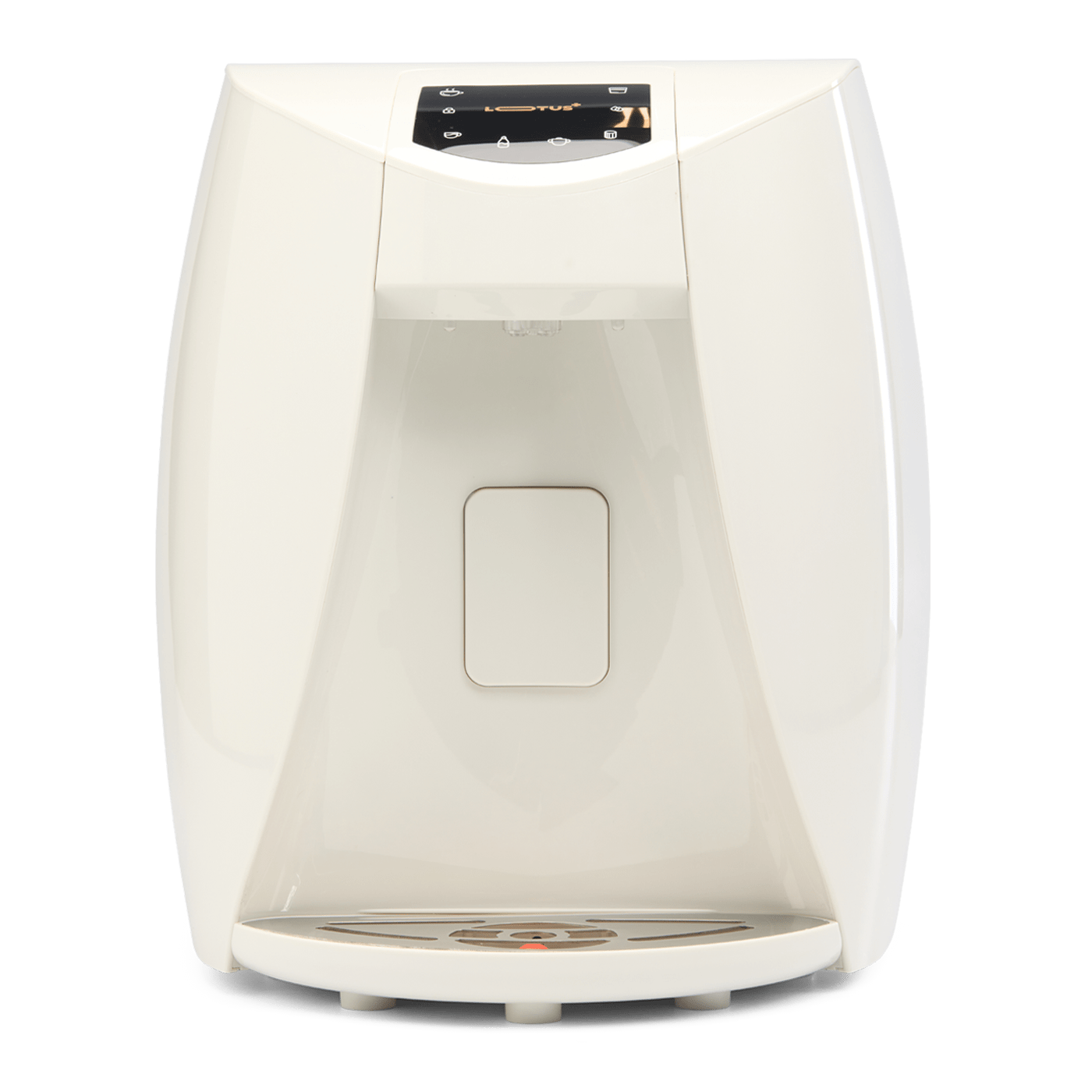
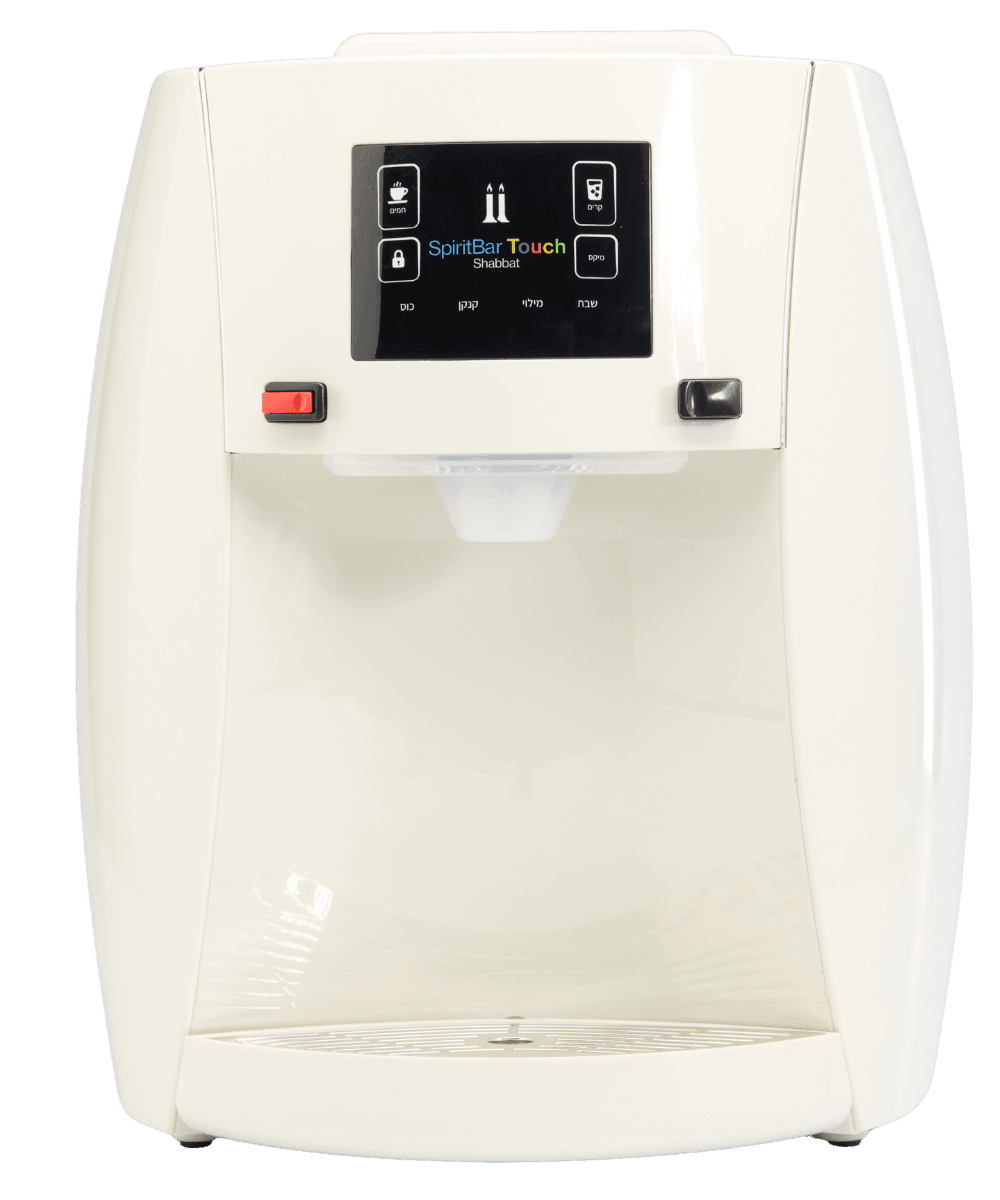
קנקנים הם צעד ראשון טוב, אך יכולת הסינון שלהם מוגבלת, והם מטפלים בעיקר בטעם הכלור. בר מים או מערכת תת כיורית מבית HDS מציעים סינון רב-שלבי מקיף בהרבה, וחשוב לא פחות – הם מספקים מים טהורים וזמינים באופן רציף, כולל מים קרים, חמים ופושרים, ואפילו מיני בר שבת לשימוש נוח ורציף.
האם הסינון מסיר מהמים גם מינרלים חיוניים?
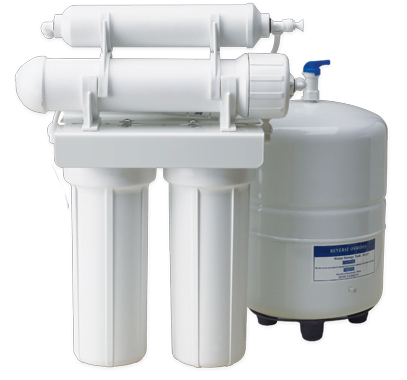
זו שאלה מצוינת שמדגימה את חשיבות הטכנולוגיה. בניגוד למערכות מסוימות (כמו אוסמוזה הפוכה ביתית), טכנולוגיית הסינון הסלקטיבית של HDS מתוכננת במיוחד כדי להפחית מזהמים לא רצויים, תוך שימור מינרלים חיוניים ומועילים כמו סידן ומגנזיום, התורמים לבריאות ולטעם המים.
נקודה למחשבה
הגוף שלנו מורכב מכ-60% מים. כל תא, רקמה ואיבר זקוקים למים כדי לתפקד. כשאנו בוחרים את המזון שלנו בקפידה, מדוע שלא נהיה קפדניים באותה מידה לגבי המרכיב החיוני ביותר לגופנו?
קחו שליטה על איכות המים שלכם
הידע על מה שעשוי להיות במים שלנו אינו סיבה לדאגה, אלא הזדמנות לפעולה. הבחירה במערכת סינון מים מתקדמת היא הצהרה: “אני בוחר להעניק לעצמי ולמשפחתי את הטוב ביותר”. זוהי לקיחת אחריות על הבריאות, על חווית השתייה ועל השקט הנפשי שלכם.
ב-HDS, אנו לא רק מוכרים ברי מים; אנו מספקים ביטחון ושקט נפשי בכל כוס.
אנו מזמינים אתכם לגלות כיצד הטכנולוגיה שלנו יכולה לשנות את חווית המים שלכם.