




בעולם התעשייה המודרני, מים הם הרבה יותר ממשאב בסיסי – הם רכיב קריטי בשרשרת הייצור. בין אם מדובר במפעלי מזון, מערכות קירור, חקלאות מתקדמת או מעבדות פארמה, איכות המים משפיעה ישירות על אורך חיי המכונות ועל איכות המוצר הסופי.
התקנת מסנן מים תעשייתי היא לא רק המלצה בריאותית, אלא השקעה כלכלית אסטרטגית המונעת תקלות יקרות ומייעלת את התהליך כולו.
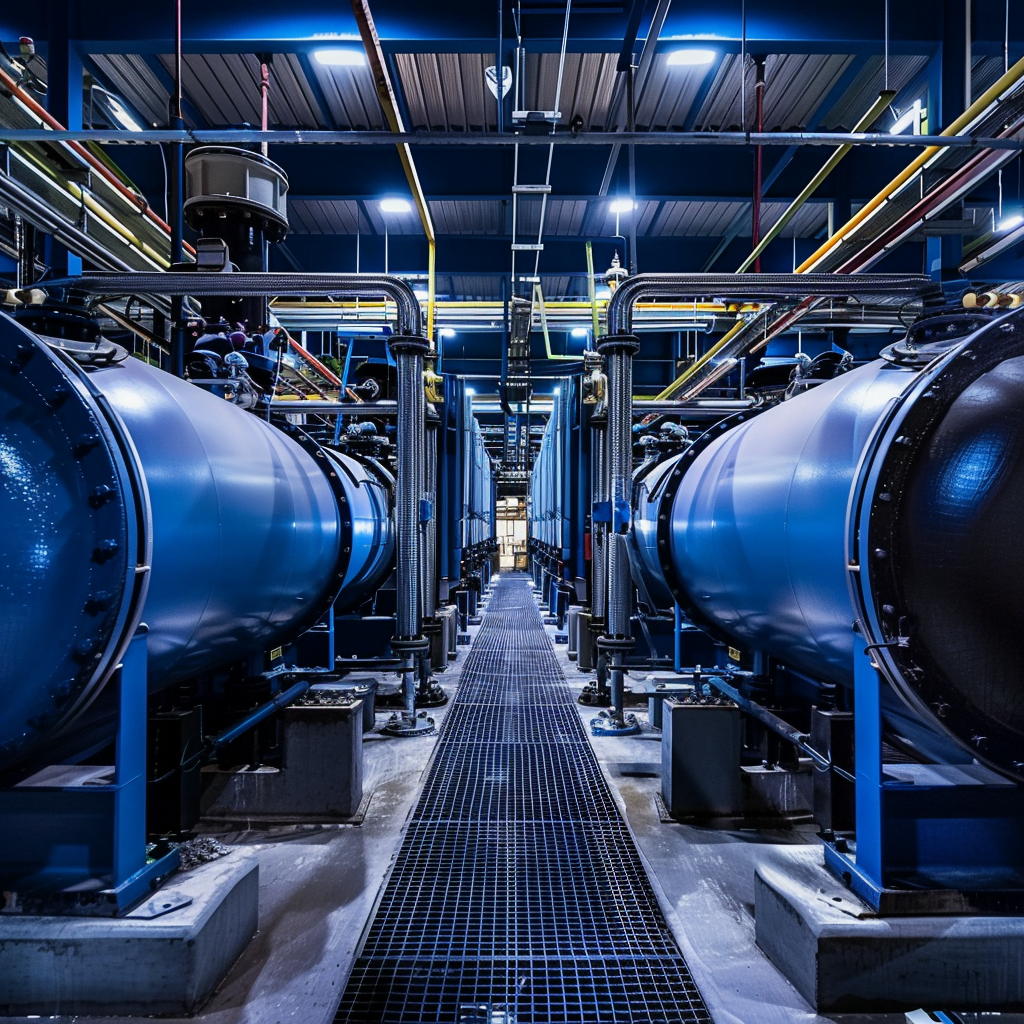
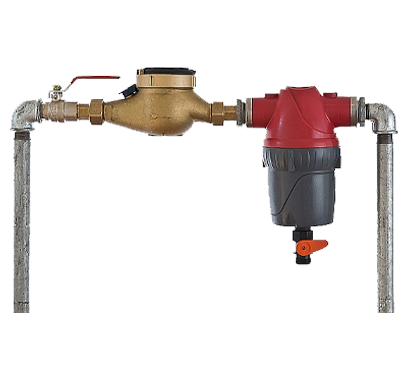
תהליך ההתקנה הינו פשוט ונוח מאוד. ניתן להתקינו במערכות מים גדולות ולשלב אותו בתהליכי הייצור השונים.
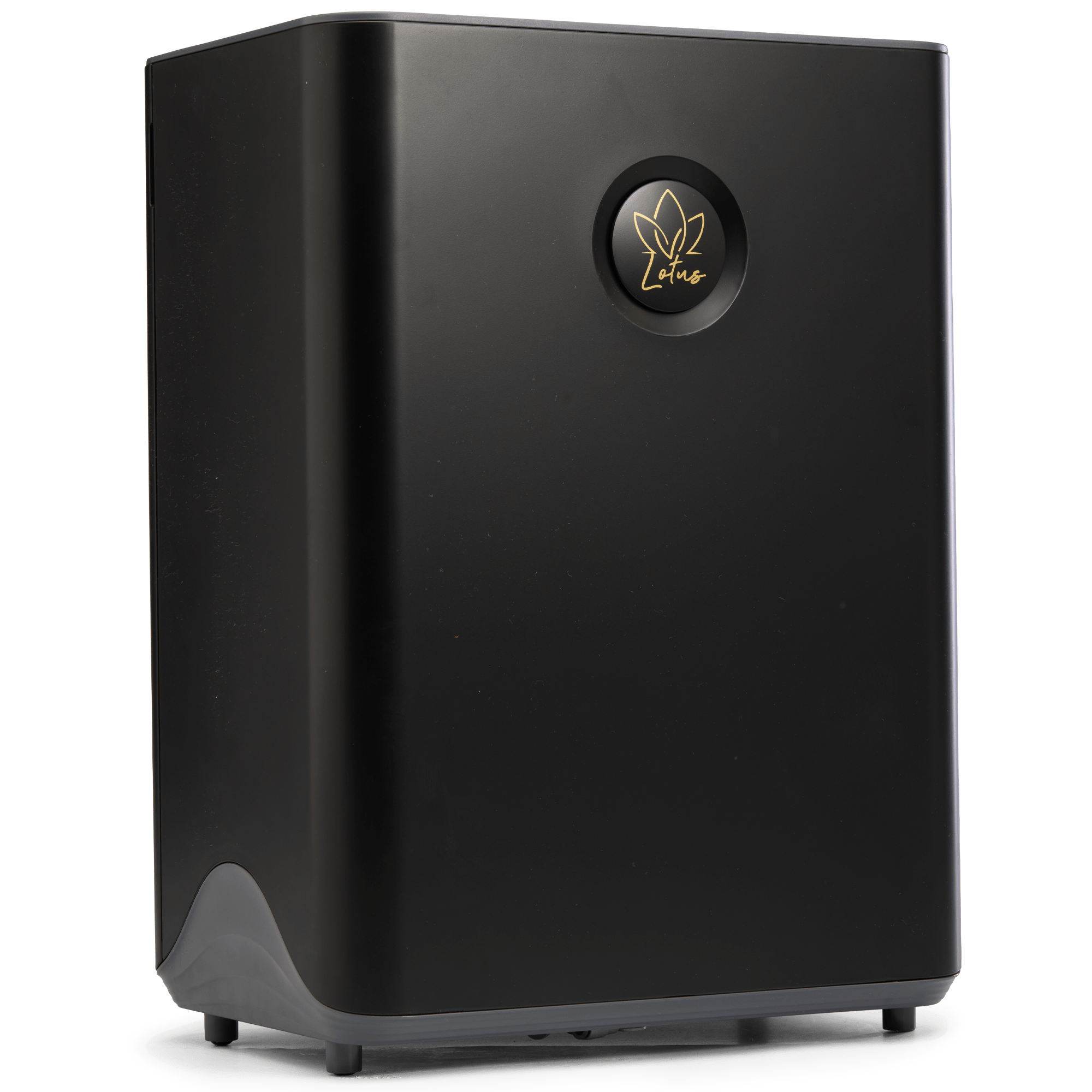
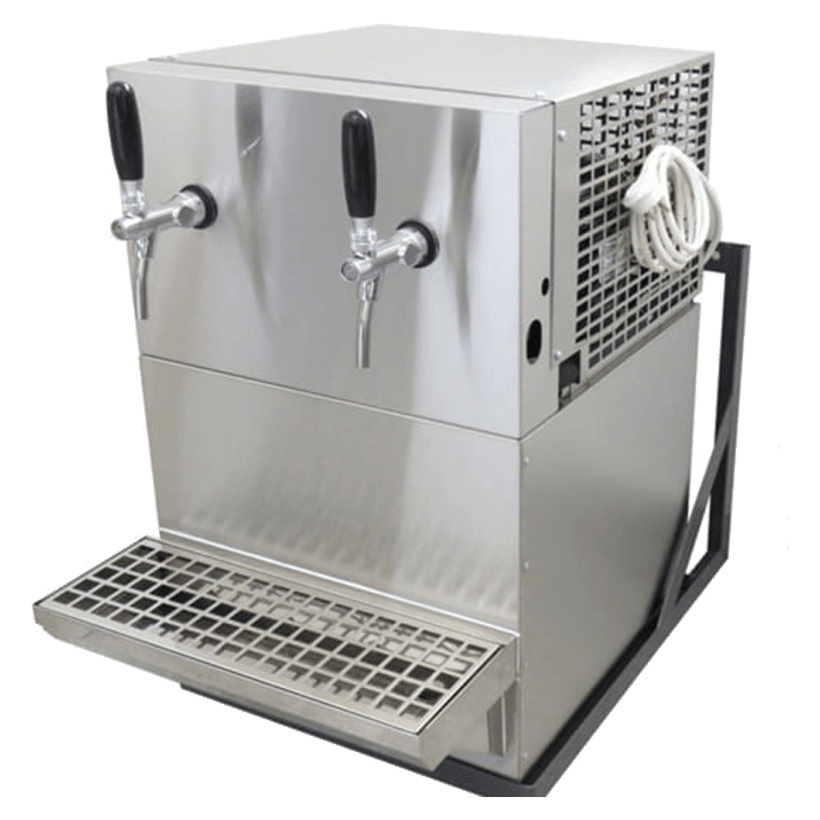
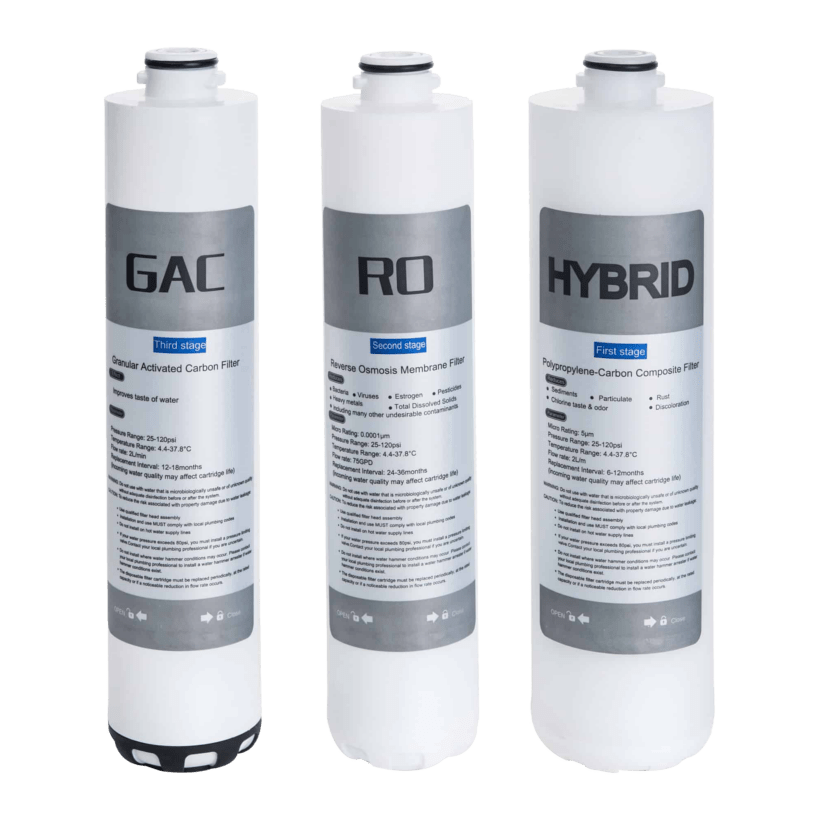
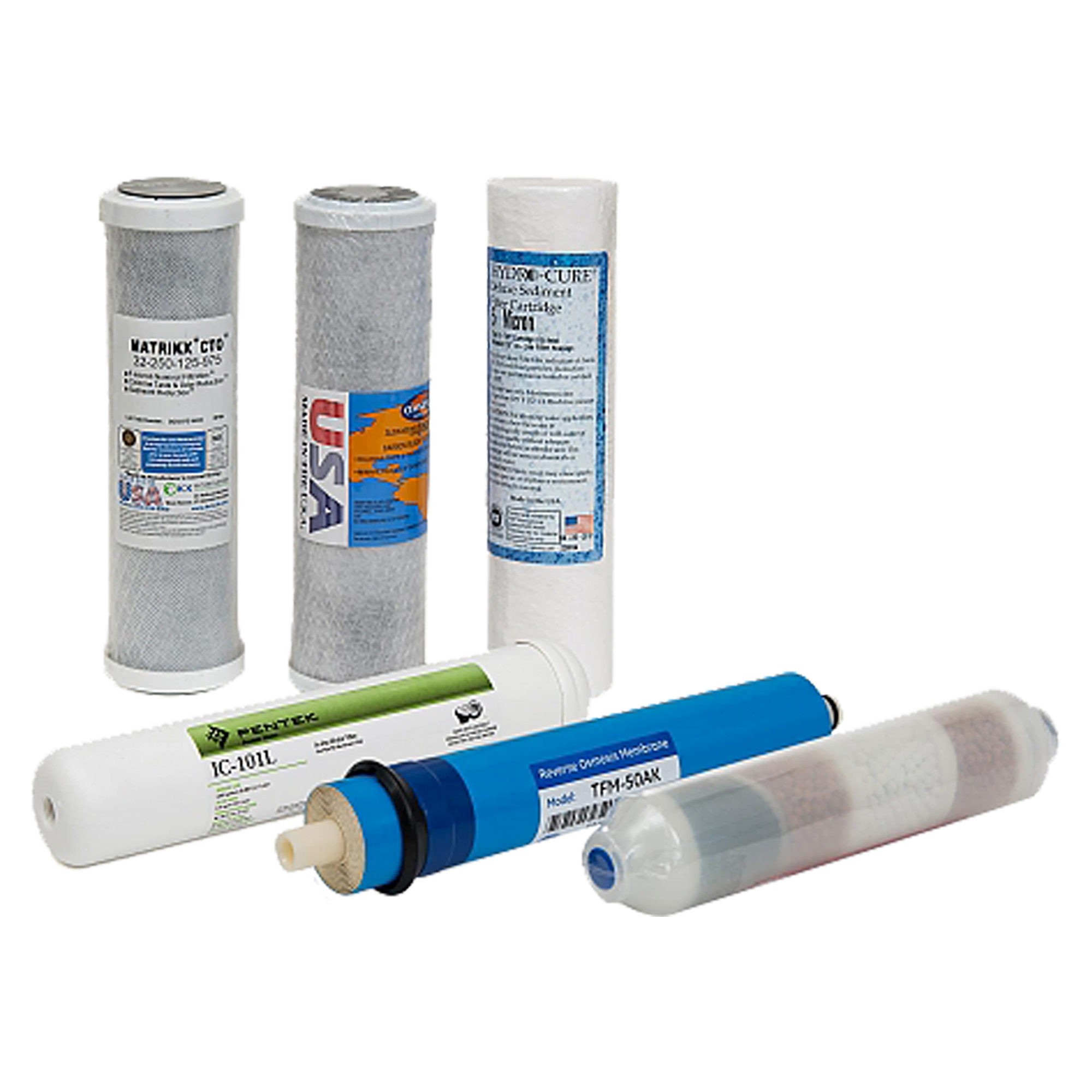
הוא מגיע עם מערכת פילטרים מתקדמת לסינון איכותי של המים. תחזוקה שוטפת הכוללת החלפת פילטרים וניקוי המערכת, תבטיח מבטיח שמירה על איכות המים לאורך זמן.
סוגי טכנולוגיות סינון בתעשייה
סינון מים תעשייתי מתחלק למספר רמות:
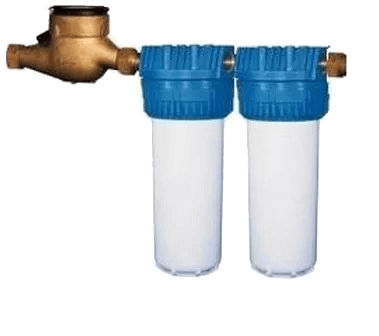
סינון מכני (סנני חול ודיסקיות): להסרת מוצקים מרחפים, חול וחלודה המגנים על הצנרת מפני סתימות.
סינון פחם פעיל: חיוני לספיחת כלור, ריחות וטעמי לוואי, וכן לנטרול כימיקלים שעלולים לפגוע בתהליכי ייצור רגישים.
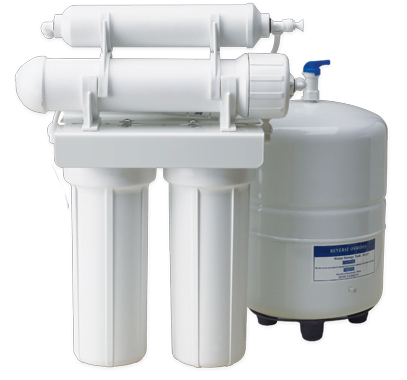
מערכות אוסמוזה הפוכה (RO): פתרון מתקדם להסרת מלחים ומתכות כבדות, המייצר מים ברמת טוהר גבוהה במיוחד.
חיטוי UV: שימוש בנורות אולטרה-סגול לקטילת חיידקים ומיקרואורגניזמים ללא שימוש בכימיקלים.
היתרונות המרכזיים של מסנן מים תעשייתי
הגנה על ציוד יקר: מניעת הצטברות אבנית וקורוזיה במחליפי חום, דודים ומכונות ייצור.
עמידה בתקנים מחמירים: הבטחת איכות מים בהתאם לדרישות משרד הבריאות והתקנים הבינלאומיים.
חיסכון תפעולי: צמצום הצורך בתיקונים ובהשבתת קווי ייצור עקב סתימות או בלאי מוקדם.
קיימות סביבתית: הפחתת השימוש בחומרים כימיים לניקוי המערכות ומזעור טביעת הרגל האקולוגית של המפעל.
סינון מים: לא רק למכונות – השילוב המנצח עם קולר מים מוסדי
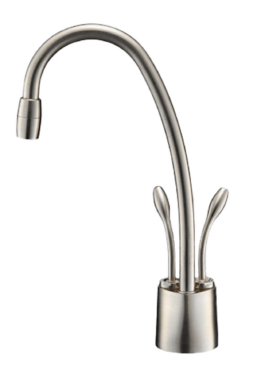
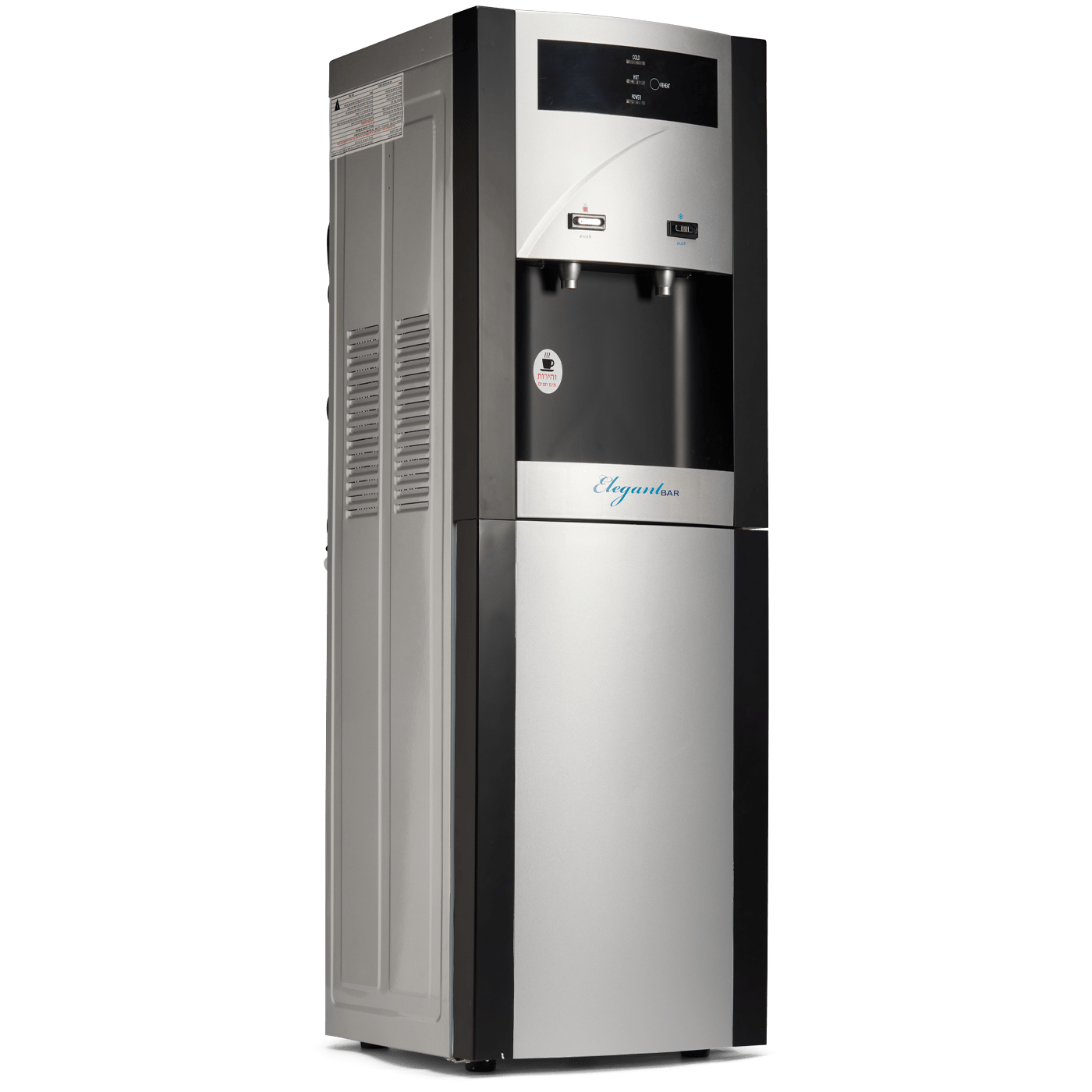
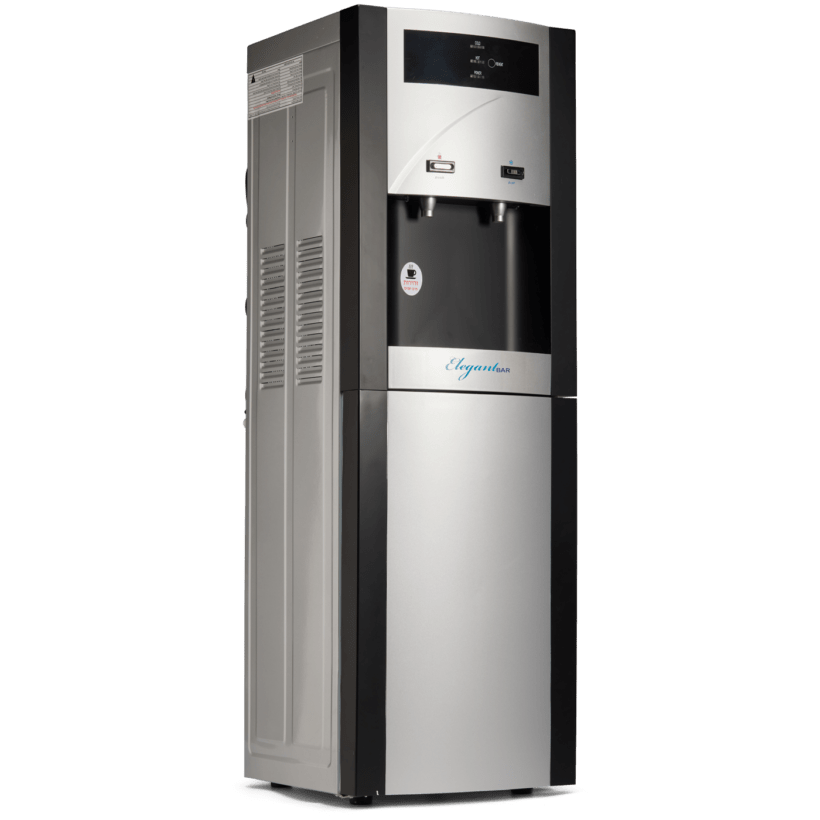
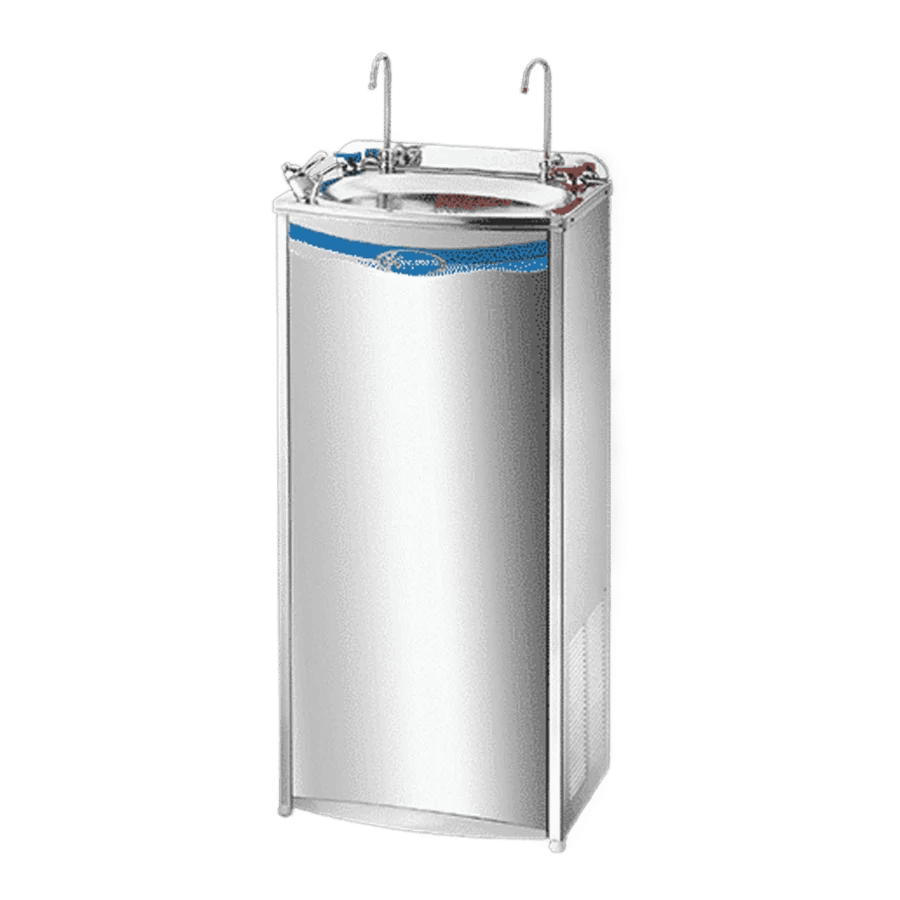
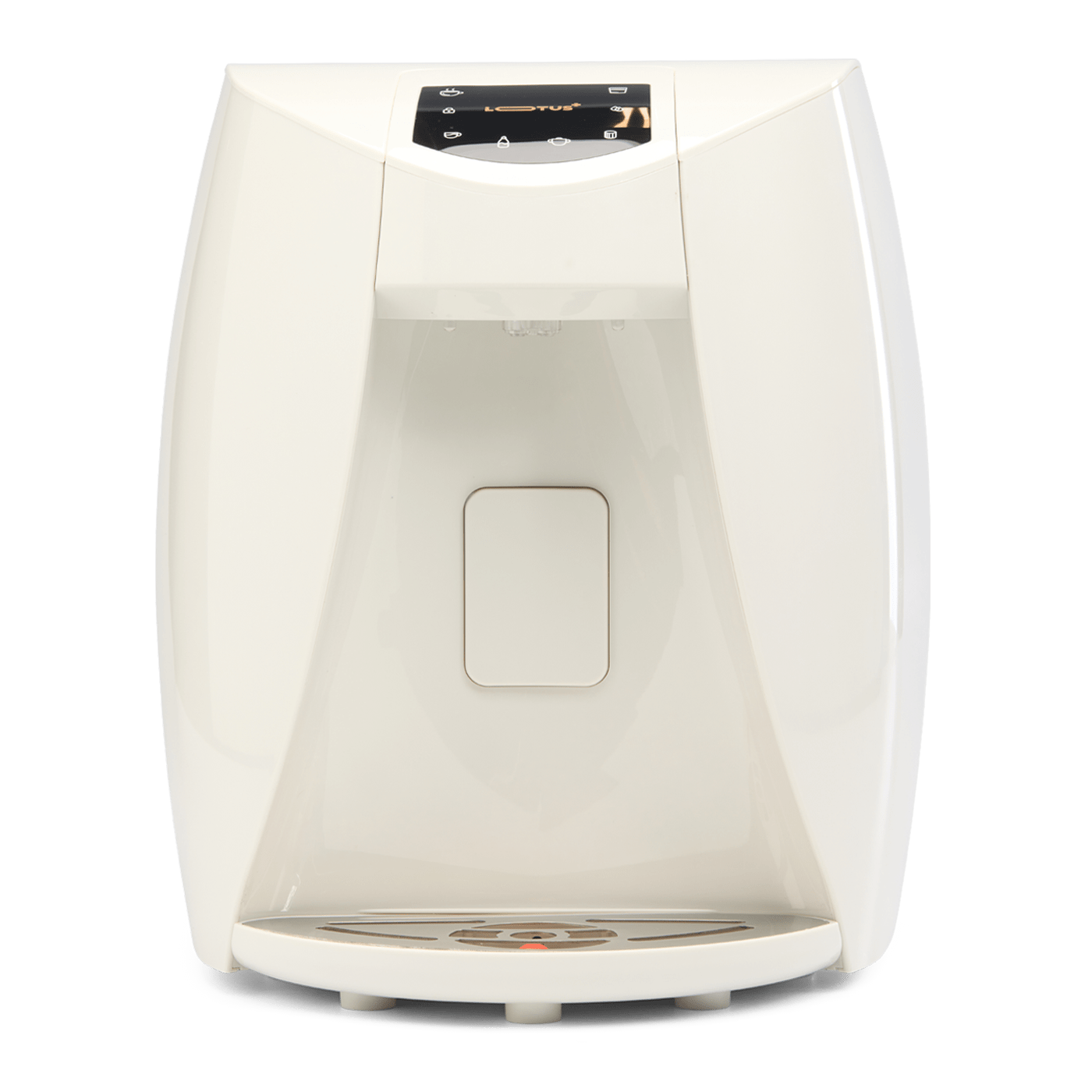
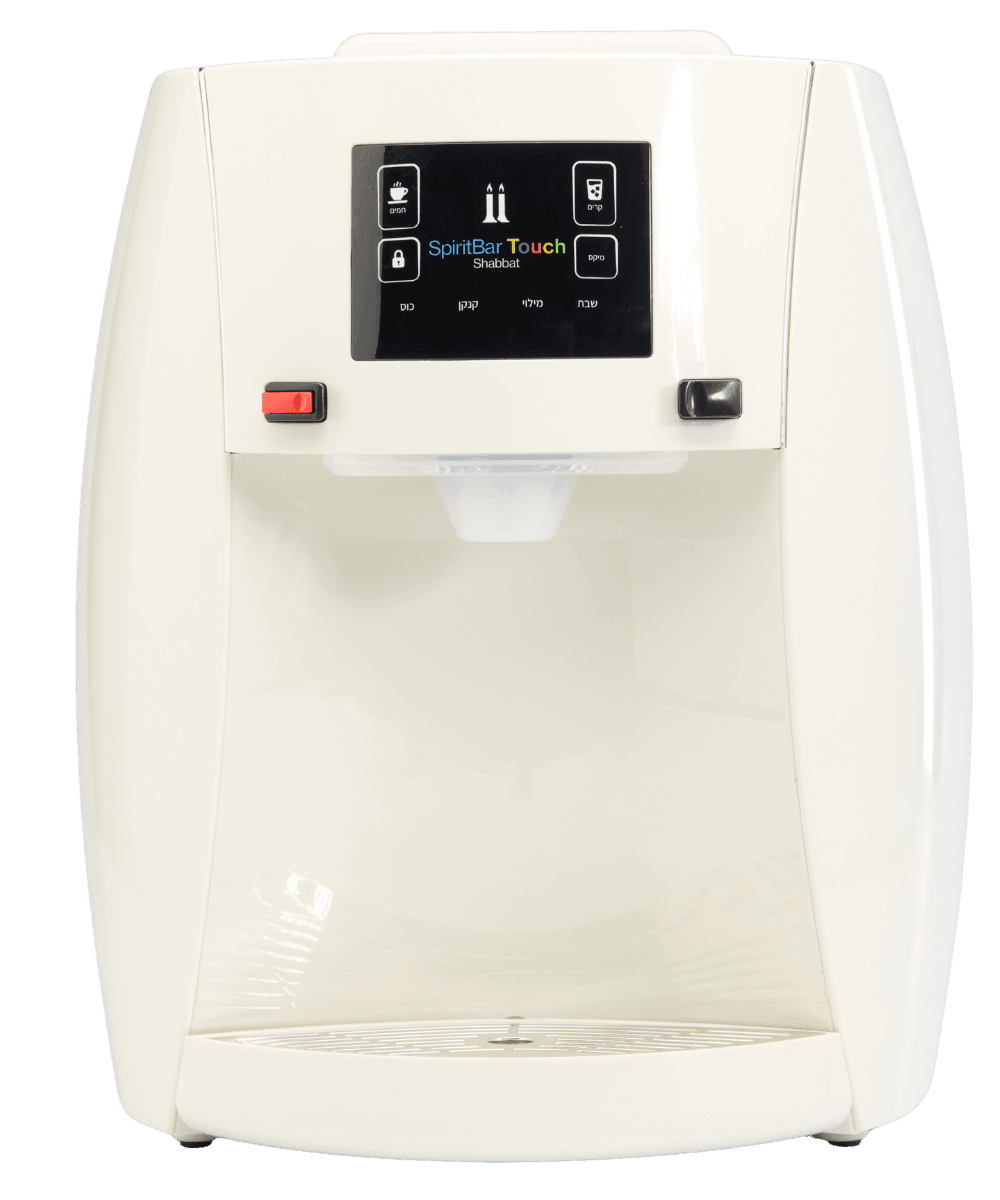
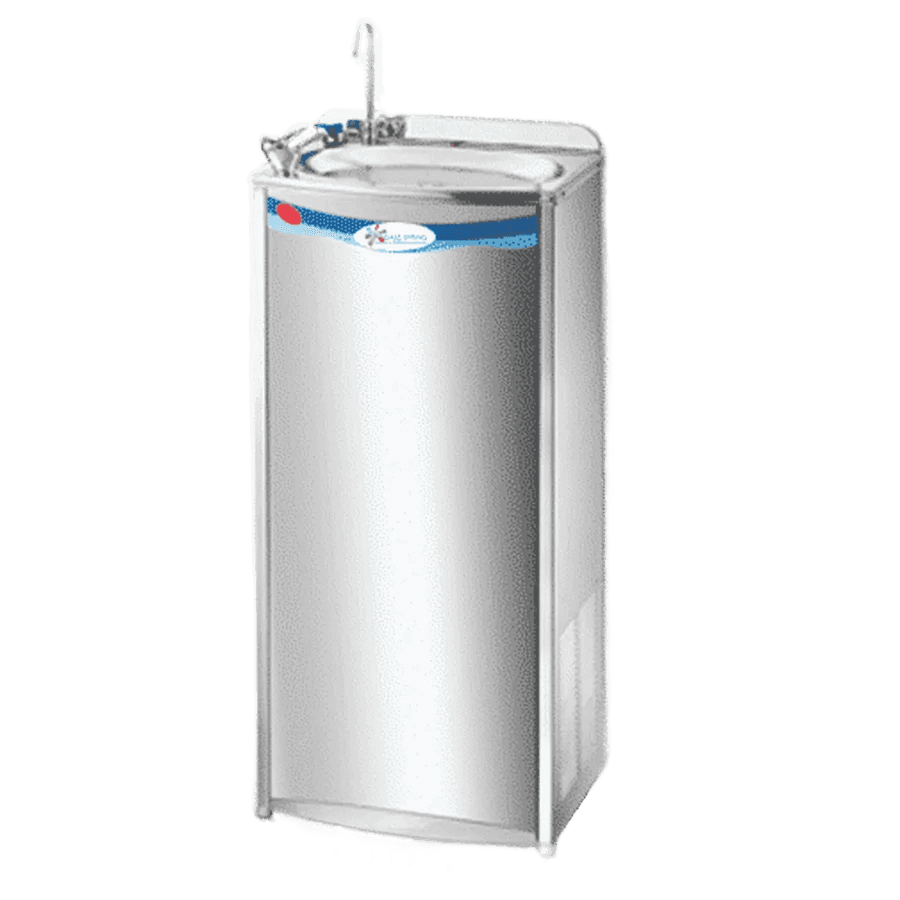
מעבר להגנה על קווי הייצור, מסנן מים תעשייתי מהווה תשתית קריטית עבור כל קולר מים או עמדת שתייה הפזורה במפעל. מים שעברו סינון מקדים בדרגת טוהר גבוהה מבטיחים שהקולרים יפעלו ללא תקלות אבנית, יספקו מים צלולים לעובדים וידרשו תחזוקה מינימלית בלבד. כך אתם שומרים גם על הציוד התעשייתי וגם על בריאות ורווחת הצוות שלכם במקביל
עם מסנן מים תעשייתי, תוכלו להיות בטוחים שהמים שאתם משתמשים בהם בתהליכי הייצור הם באיכות הטובה ביותר.
שאלות ותשובות (FAQ) בנושא מסנן מים תעשייתי
באיזו תדירות יש להחליף את הפילטרים במסנן תעשייתי?
תדירות ההחלפה תלויה בשני גורמים: איכות המים הנכנסים (רמת הלכלוך והאבנית) ונפח הצריכה של המפעל. ברוב המקרים, מומלץ לבצע בדיקה תקופתית אחת ל-3-6 חודשים ולהחליף סננים בהתאם להוראות היצרן או לירידת הלחץ במערכת.
האם מסנן מים תעשייתי מטפל גם בבעיית האבנית?
מסננים מכניים רגילים אינם מסירים אבנית (מלחים מומסים), אלא רק לכלוך גס. כדי לטפל באבנית בתעשייה, יש לשלב מערכת ריכוך מים או מערכת אוסמוזה הפוכה, המפרקות או מוציאות את המינרלים שיוצרים את האבנית.
האם ניתן להתאים את המערכת לצרכים ספציפיים של המפעל?
בהחלט. אפיון נכון של מסנן מים תעשייתי מתחיל בבדיקת מעבדה לאיכות המים הקיימים ובהבנת צרכי הייצור. ניתן לתכנן מערכת מודולרית המשלבת מספר שלבי סינון בהתאם לדרגת הטוהר הנדרשת.
מה ההבדל בין מסנן מים ביתי למסנן תעשייתי?
ההבדל העיקרי הוא בספיקה (כמות המים לשעה) ובעמידות. מסנן תעשייתי בנוי לעמוד בלחצים גבוהים ובעבודה רציפה 24/7, והוא משתמש במדיה סינונית גדולה בהרבה כדי לספק פתרון אמין לאורך זמן ללא ירידת לחץ משמעותית.
הזמינו עכשיו מסנן מים תעשייתי ותשפרו את איכות המים בתעשייה שלכם. מבטיח מים נקיים ובטוחים לשימוש בכל תהליך תעשייתי!