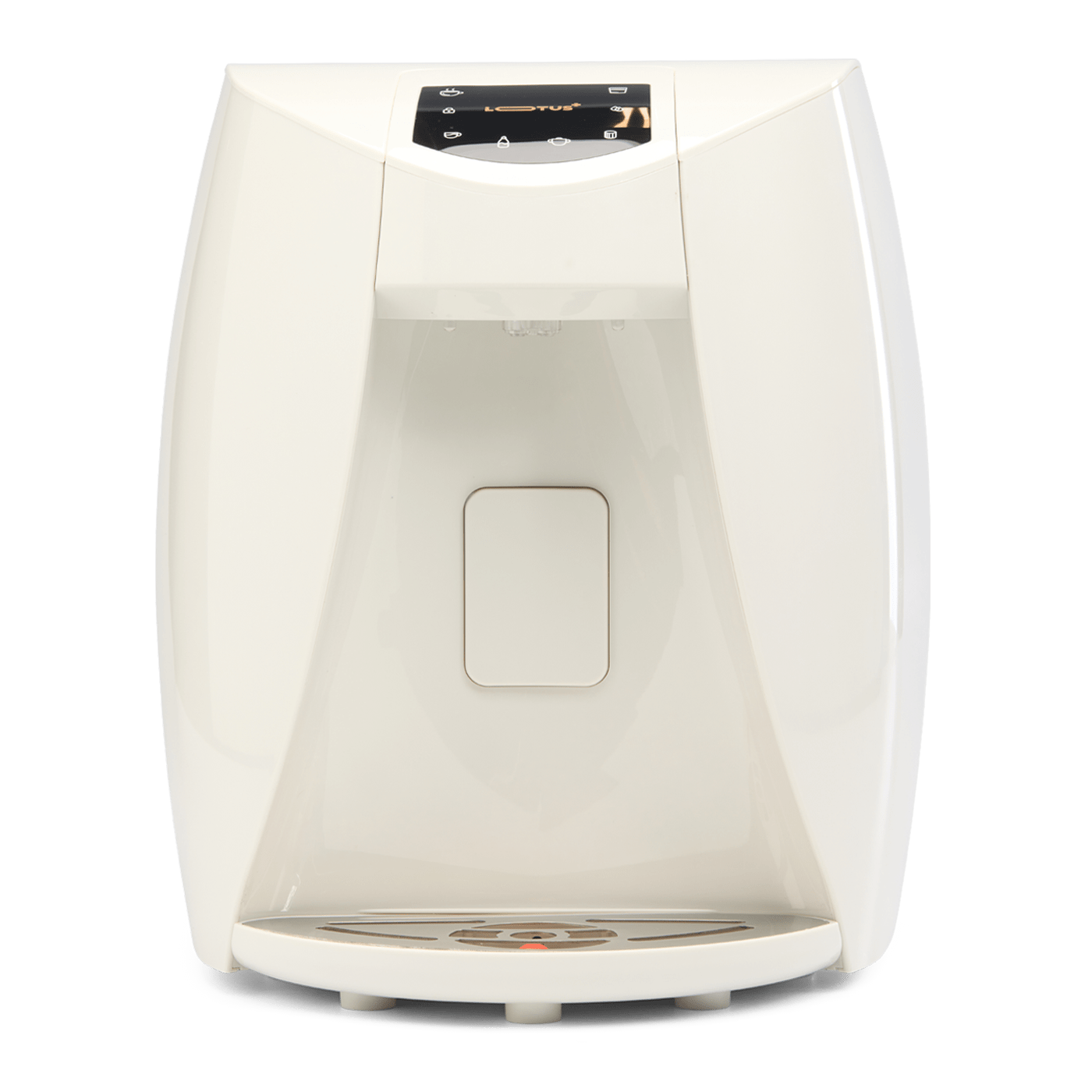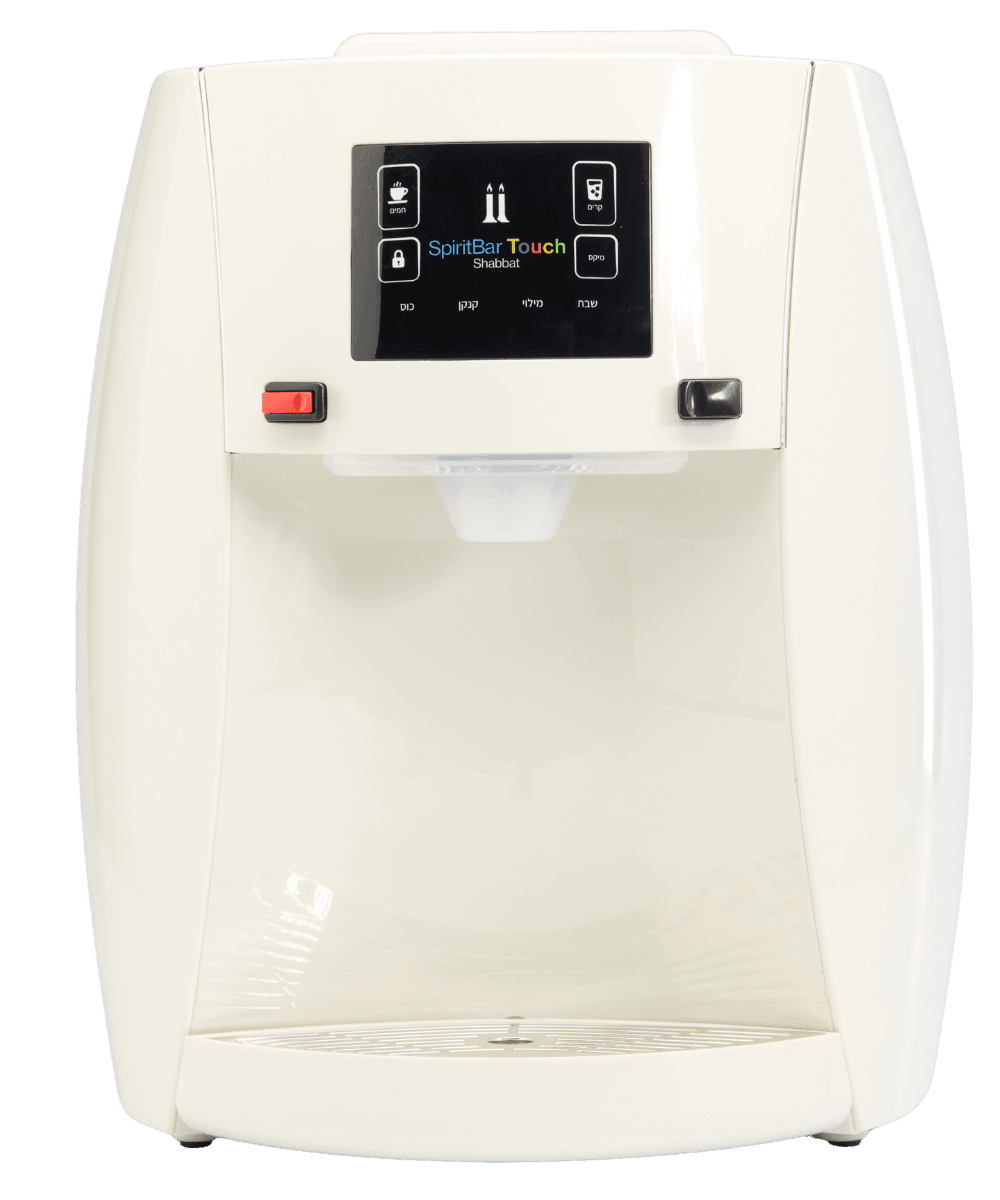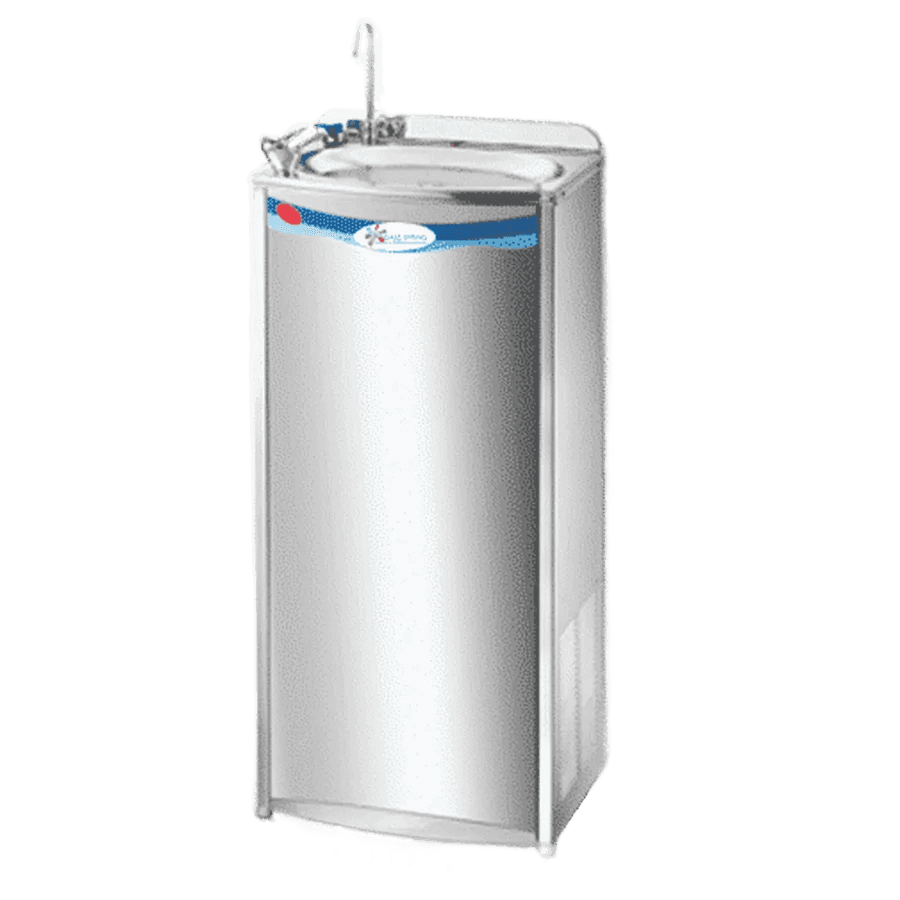





יש תמונה מאוד מוכרת: שבת בצהריים, אורחים ליד השולחן, מישהו קם להכין קפה — ומגלה שאין מים חמים. הקנקן ריק, הקומקום אסור, ובר המים שקנו “כשר לשבת” הפסיק לחמם. הכתבה הזו נועדה כדי שזה לא יקרה לכם.
מה זה בכלל “בר מים כשר לשבת”?
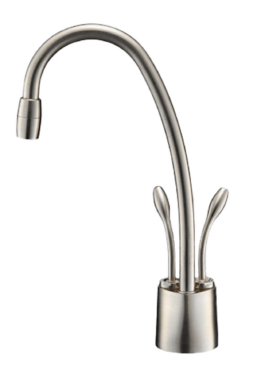
בר מים לשבת הוא מכשיר שמחזיק מים חמים וקרים ברציפות — בלי שהפעלת הברז מפעילה שום פעולה חשמלית חדשה. המים חמים כי הם היו חמים מלפני השבת, ולא כי לחצתם על ברז שהדליק אלמנט חימום.
הבעיה ברוב הברזים הרגילים: כשאתם לוחצים — חיישן זרימה מפעיל את אלמנט החימום. גם אם רק לשנייה. זה בדיוק מה שלא מותר בשבת.
במצב שבת אמיתי, המיכל נשאר חם כמו דוד שמש — חמים בגלל חשמל שפעל לפני שבת, לא בגלל הפעלה חדשה.
מה ההבדל בין “שמור חם” ל”מצב שבת”?
שאלה שחשוב לשאול — כי יש יצרנים שמשווקים “keep warm” כאילו זה כשר לשבת, וזה לא אותו דבר.
שמור חם רגיל עשוי לחמם מחדש כשהטמפרטורה יורדת, עלול להפעיל אלמנט עם הפתיחה, ולא בהכרח מאושר הלכתית.
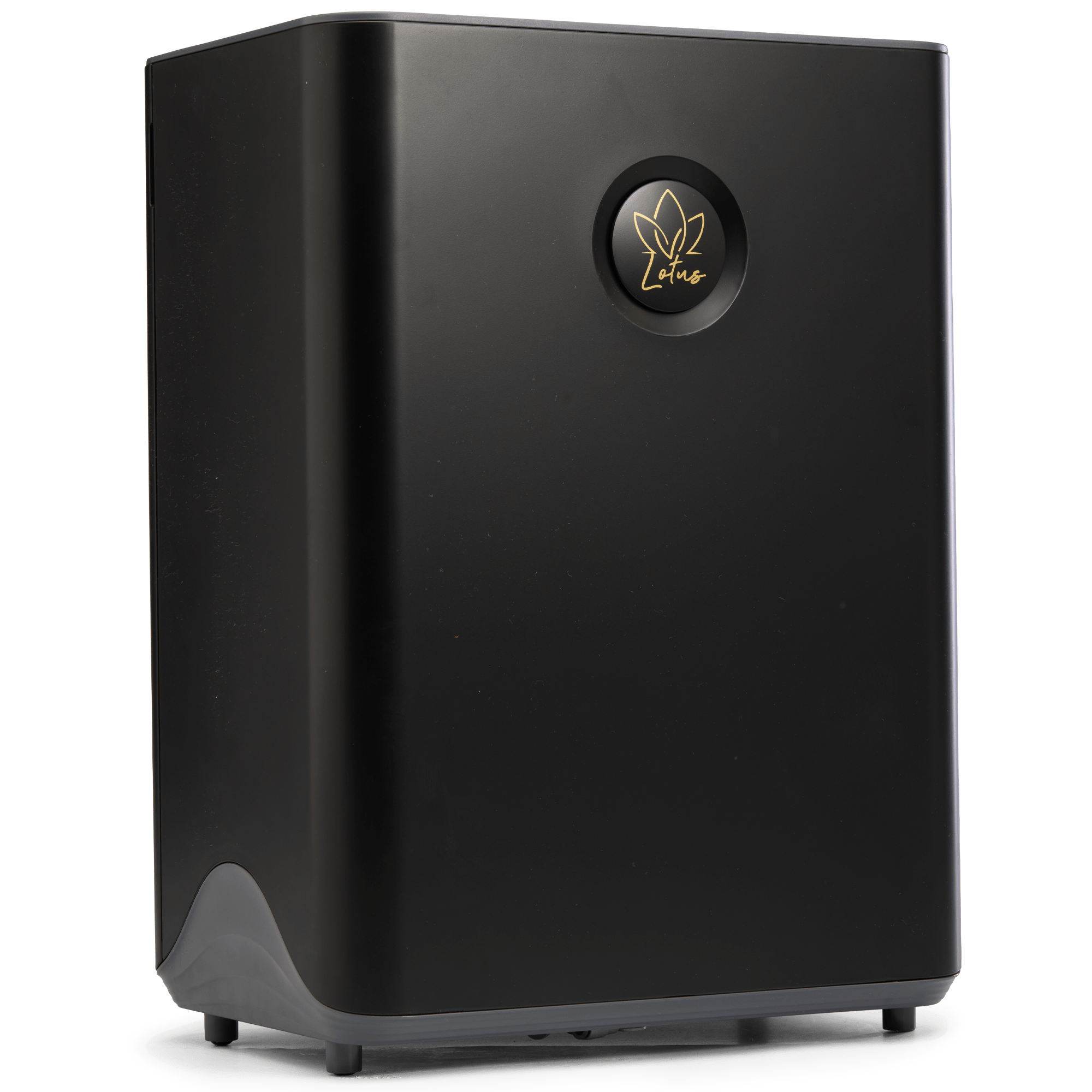
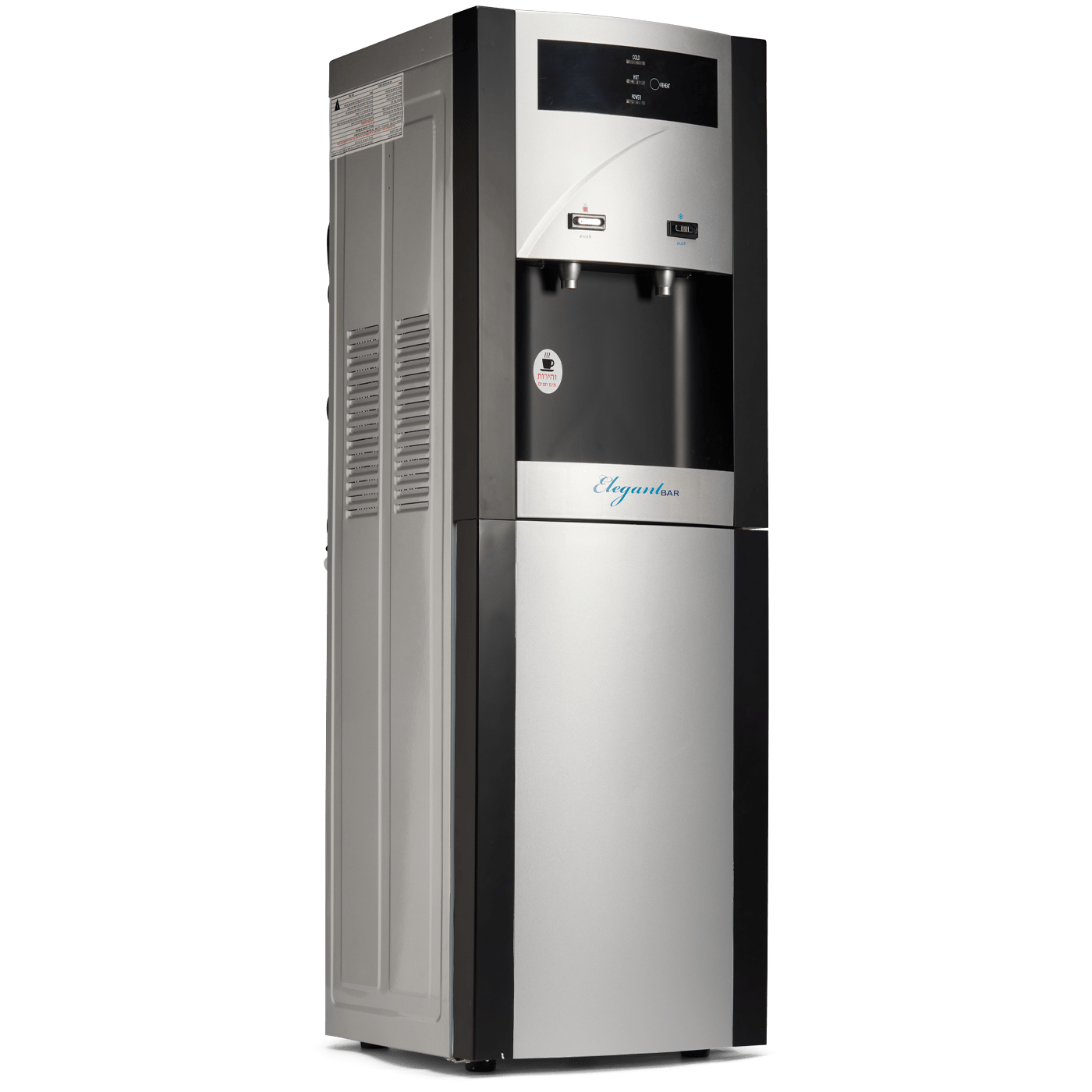
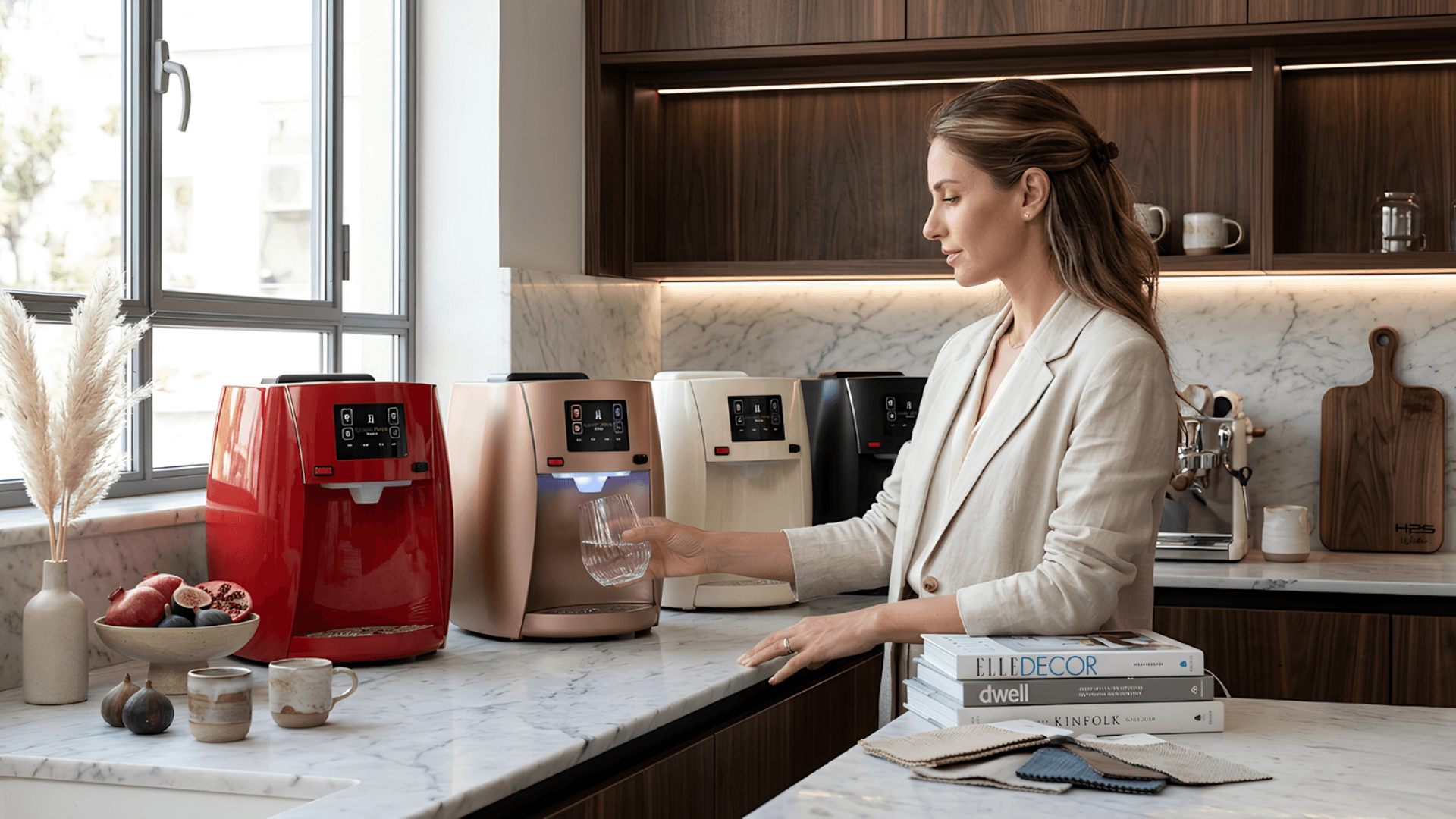
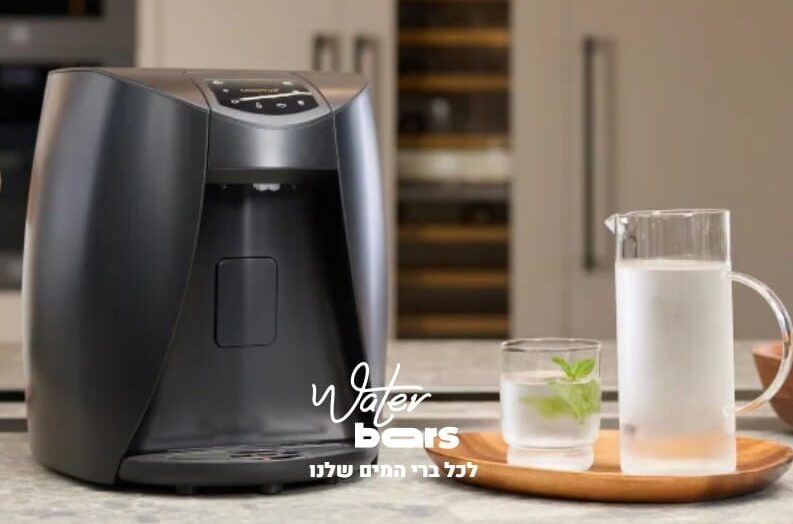
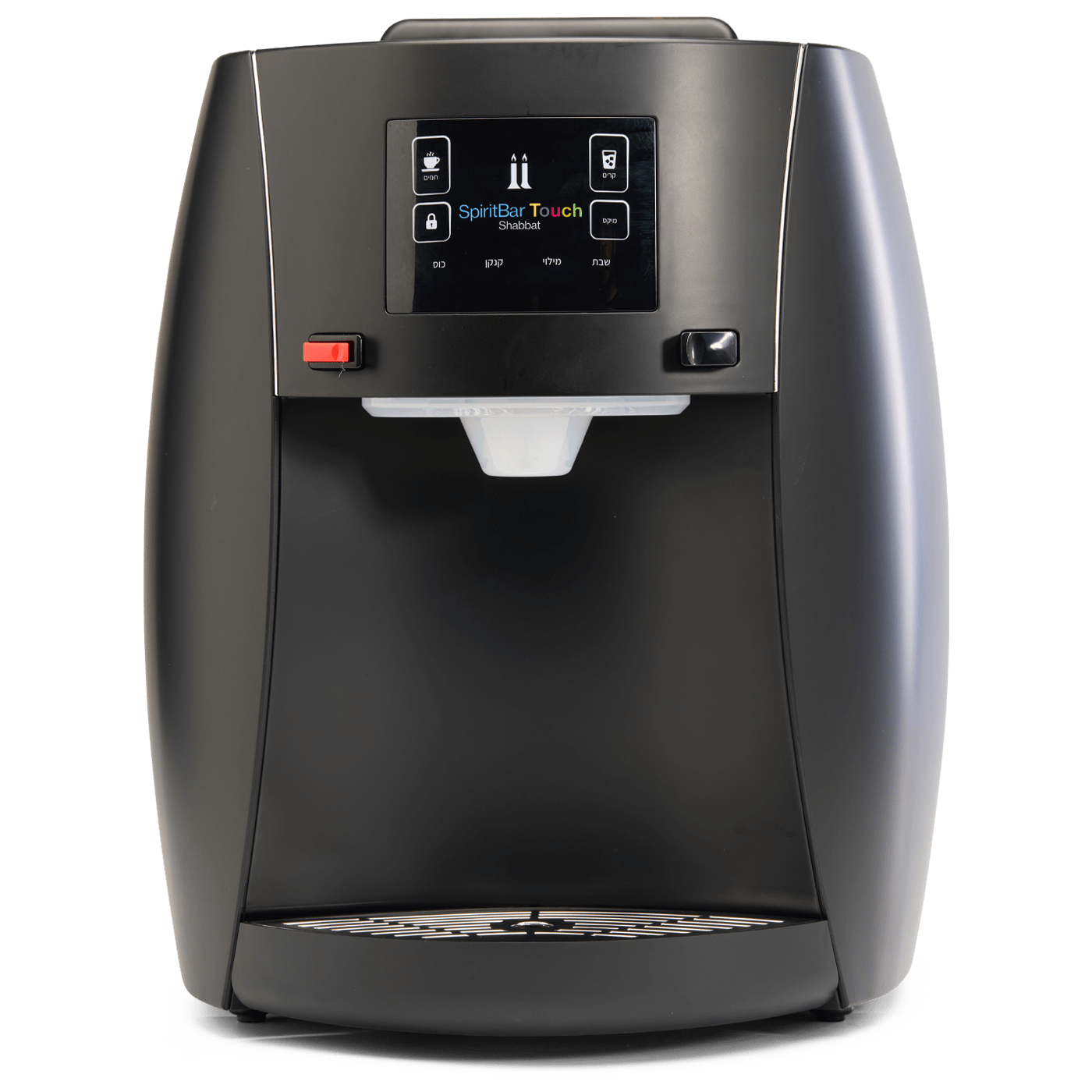
מצב שבת אמיתי מוגדר כפונקציה נפרדת בתפריט המכשיר של מיני בר ספיריט שבת, אין בו הפעלה חשמלית עם השימוש, והמיכל גדול מספיק לכמה שעות שימוש.

כמה מים חמים צריך?
זה הפרט שהכי מפספסים. אנשים שואלים על עיצוב, על סינון, על מחיר — ושוכחים לשאול: כמה ליטר מחזיק המיכל?
- זוג בלבד — 2-3 ליטר מספיקים בנוחות
- משפחה של 4 — מומלץ לפחות 4-5 ליטר
- משפחה גדולה עם אורחים — 7 ליטר ומעלה, לא פחות
- חובבי קפה — כל כוס שותה בערך 200 מ”ל. תחשבו כמה כוסות יש לכם בשבת
5 שאלות לשאול לפני שקונים
- האם יש מצב שבת מוגדר בתפריט — לא רק “שמור חם”?
- האם פתיחת הברז מפעילה אלמנט חימום? (שאלו ספציפית)
- כמה ליטר מים חמים מחזיק המיכל?
- מה זמן התגובה של השירות אם משהו מקלקל?
- האם יש אישור הלכתי בכתב — ומאיזה רב?
שאלות ותשובות נפוצות
האם כל בר מים יכול להיות “כשר לשבת” אם משאירים אותו דלוק?
לא. רוב הברזים המודרניים כוללים חיישנים שמגיבים לזרימה. גם אם לא ראיתם כלום, בפנים קורה משהו חשמלי. צריך מצב שבת מוגדר ומאושר — לא רק “ממשיך לפעול”.
תחת הכיור או על השיש — מה עדיף?
תחת הכיור נקי יותר אסתטית ולא תופס מקום. מצד שני, ההתקנה יותר מורכבת. על השיש קל יותר לגישה ולתחזוקה. אם השיפוץ עוד לפניכם — שקלו אנדר-קאונטר. אם הכל כבר מוכן — מה שנוח לכם.
מה עם סינון?
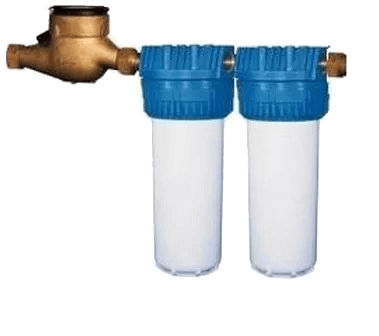
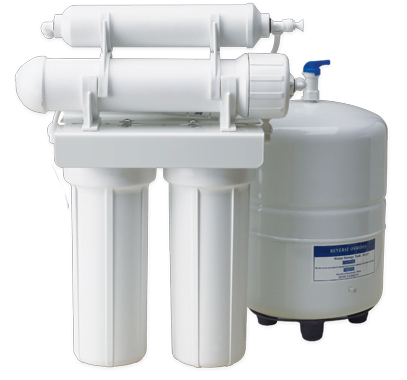
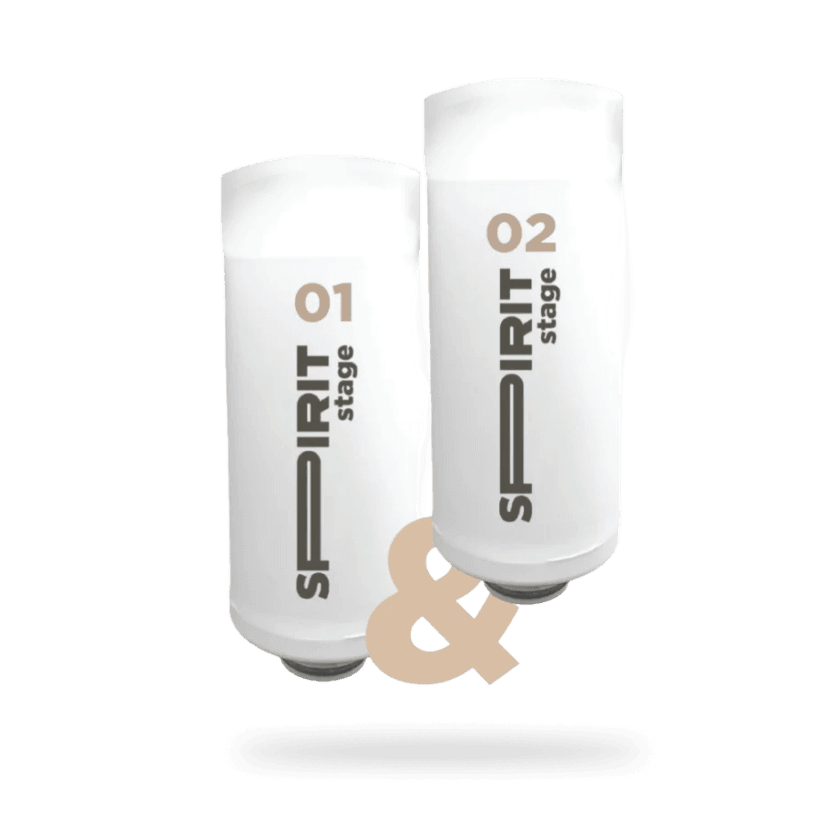
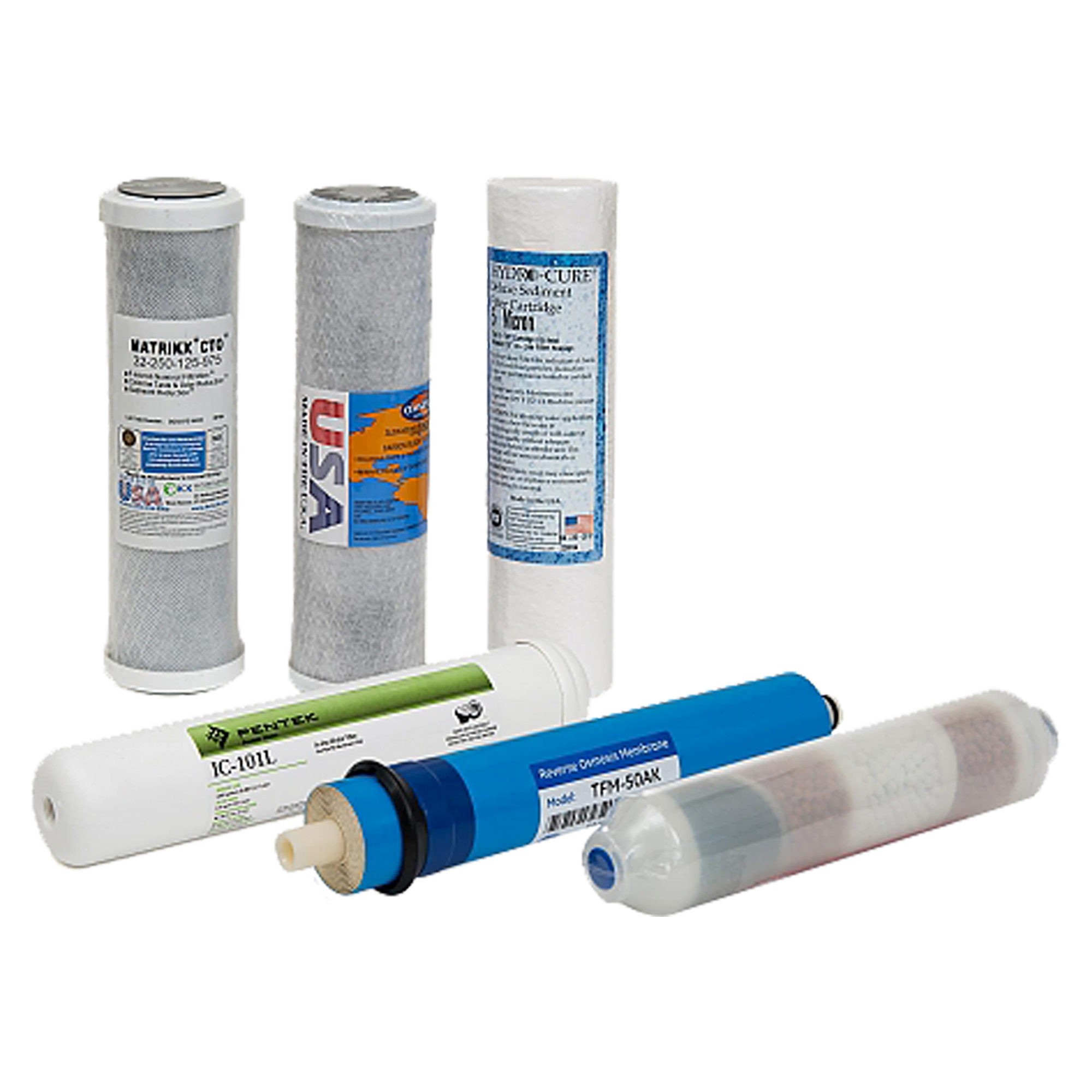
מאוד חשוב. מי ישראל עשירים בכלור ומשקעים. בר מים עם סינון איכותי מוציא את זה ומשפר משמעותית את הטעם. שאלו: כמה שלבי סינון? האם כולל פחם פעיל? מה תדירות החלפת הפילטר?
מה עלות התחזוקה השנתית?
לרוב מדובר על החלפת פילטר אחת לשנה — בין 150 ל-400 ₪ תלוי במוצר. חלק מהחברות מציעות חוזה שירות שנתי שכולל גם ביקור טכנאי. שאלו מראש מה כולל ומה לא.
איך מזהים חברה אמינה?
בדקו: האם יש טלפון שירות פעיל? כמה זמן החברה פעילה? האם יש ביקורות אמיתיות? בר מים הוא מכשיר שתצטרכו לו שירות — אז הספק חשוב לא פחות מהמוצר.
מה עוד שווה לדעת על בר מים מותאם לשבת
בר מים איכותי יכול לחסוך בממוצע 10-15 בקבוקי מים בשבוע למשפחה — פחות פלסטיק, פחות הוצאה חודשית, ופחות מקום בפח.
ונקודה שלא חושבים עליה: מים קרים בקיץ. בר מים טוב מצנן למטה מ-10 מעלות — הרבה מעבר לטמפרטורת המקרר. בשבת בקיץ זה שדרוג של ממש.
השורה התחתונה
בר מים לשבת הוא אחד הרכישות שמשפחות שמרניות הכי מרוצות מהן. המפתח: לוודא מצב שבת אמיתי, מיכל מספיק גדול, סינון איכותי — ולבחור ספק שיהיה שם גם שנה אחרי המכירה.